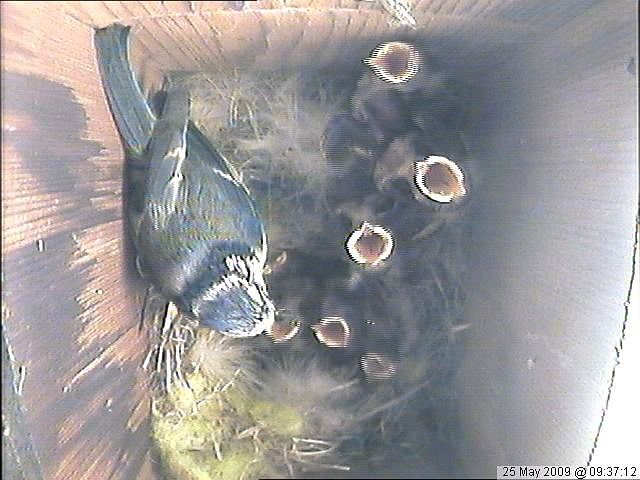
Fledged at Last!

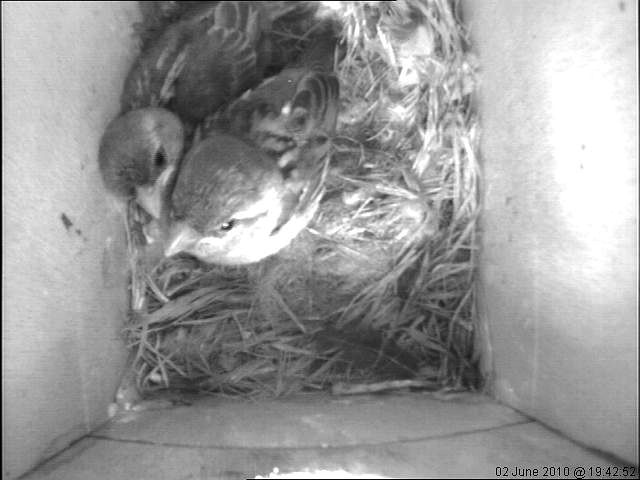
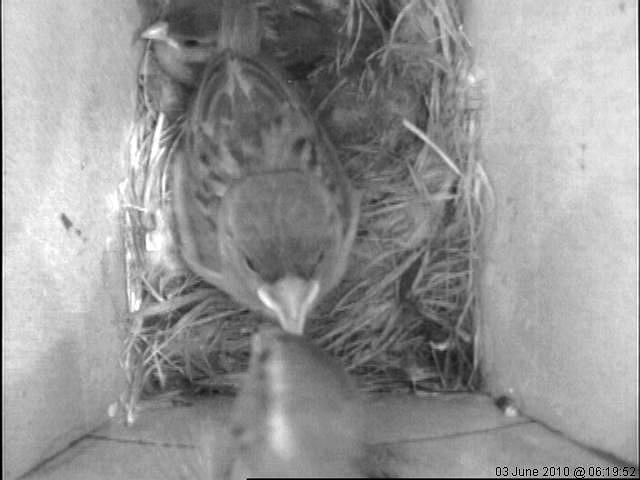
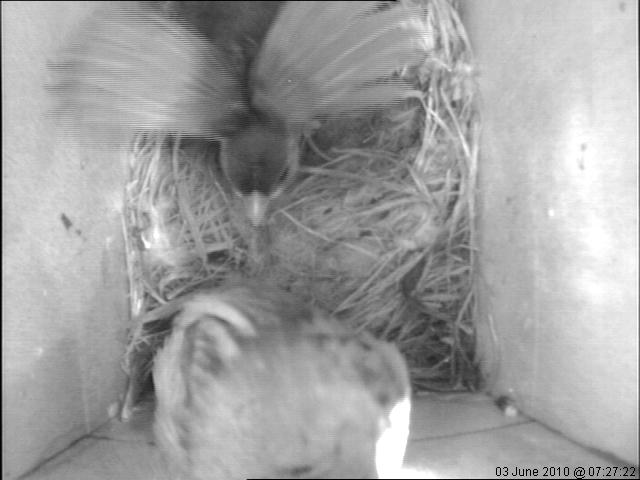
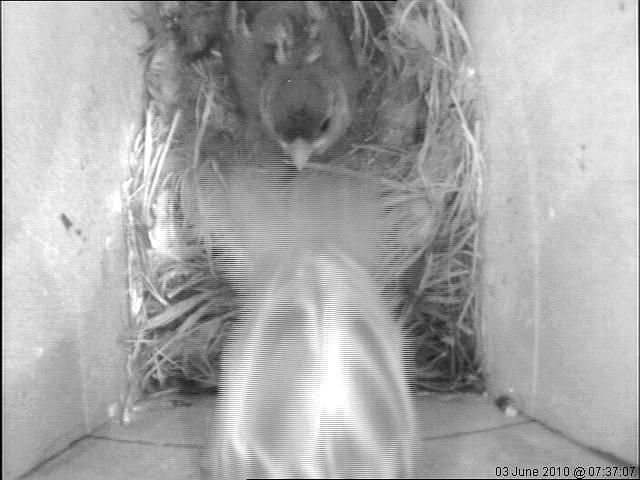
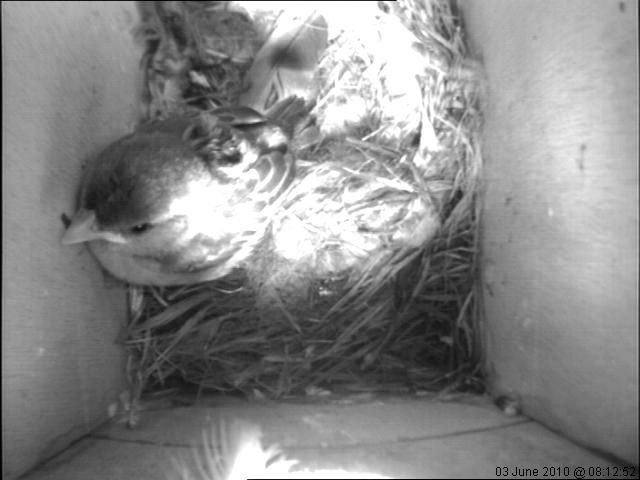
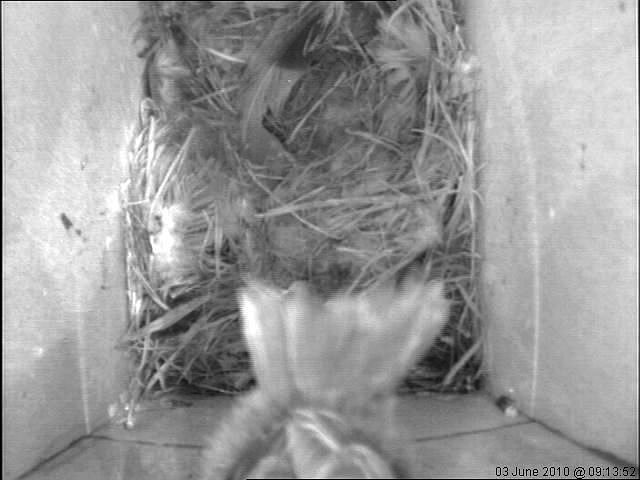
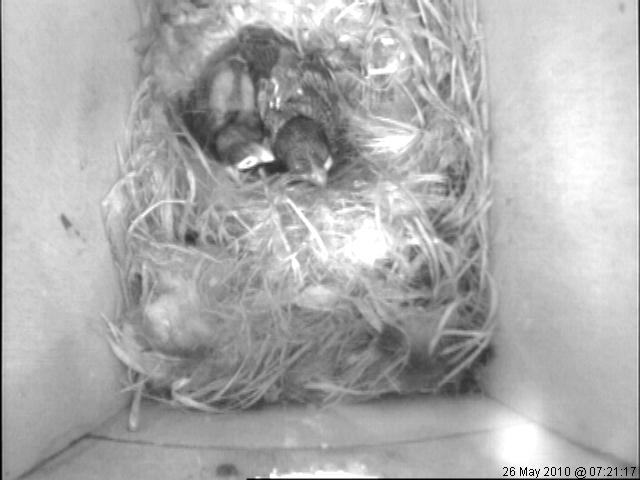
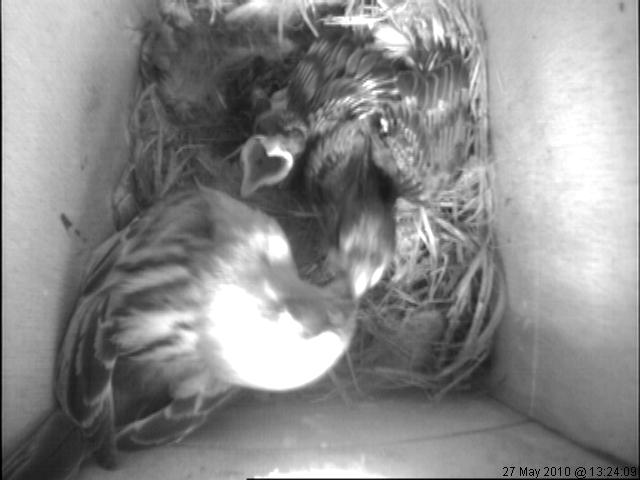
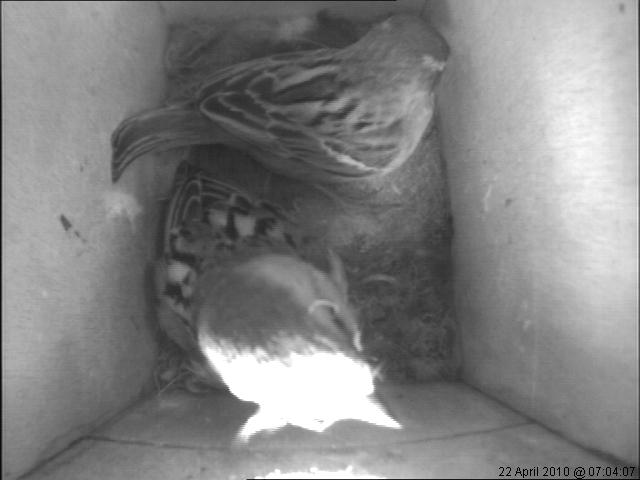
House Sparrow chicks usually fledge within 11-16 days of hatching. Not ours though, they fledged this morning after 18 days! They must have found the box very comfortable. The first chick fledged  at 7.37 am leaving the smaller chick alone in the box but still being fed occasionally by the female. After changing its mind a few times, the second chick finally picked up courage to leave the box at 9.14 am.

We shall have to watch out for the fledglings next week and keep the bird feeders topped up.  The chicks’ diet will now change from being fed mainly insects to having seed as their main food. According to the RSPB website,
“They are unable to feed themselves for a week after leaving the nest and are cared for by their parents for a fortnight. Post-fledging care is normally left to the male; the hen prepares for the next brood. She starts to lay about a week after the previous brood fledged.”
We will have to wait and see what happens, as we haven’t seen the male bird since the chicks hatched.
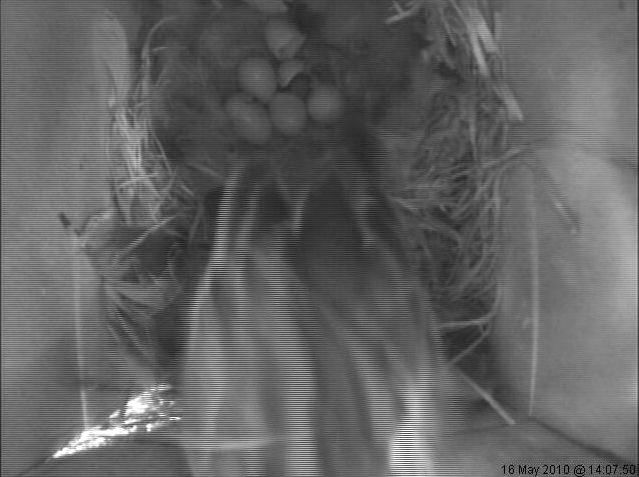
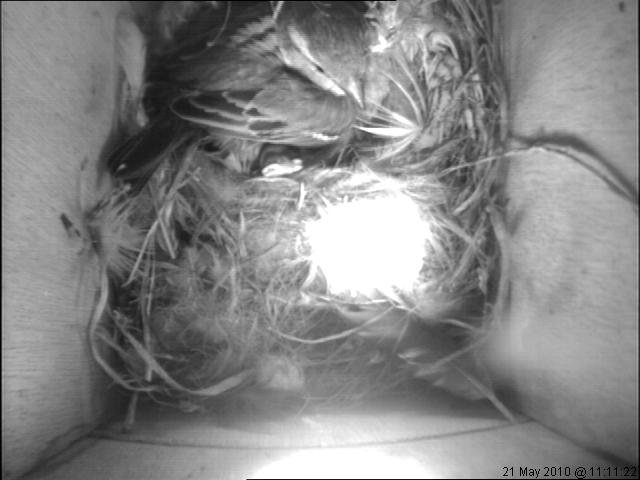
We Have Chicks!

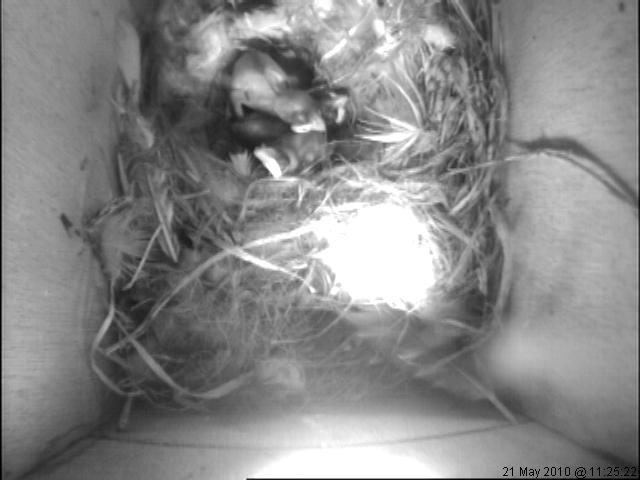
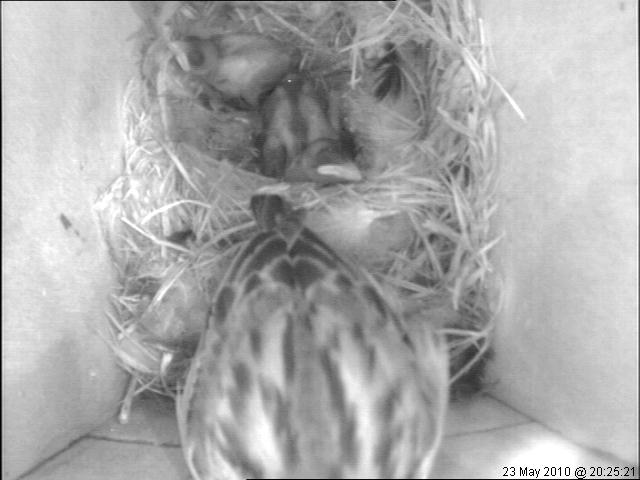
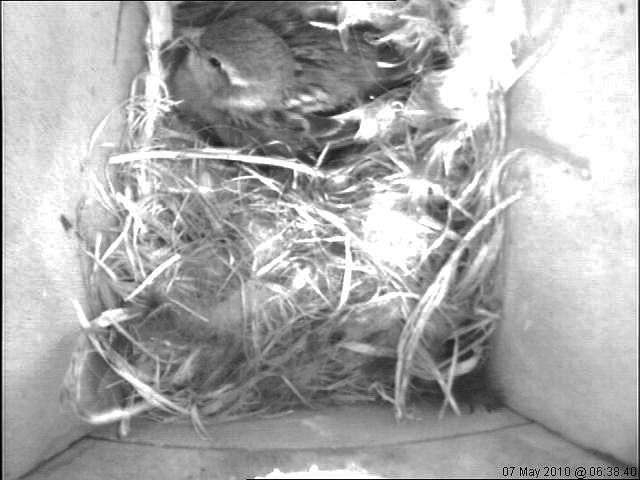
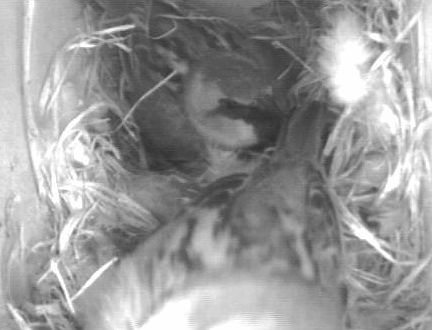
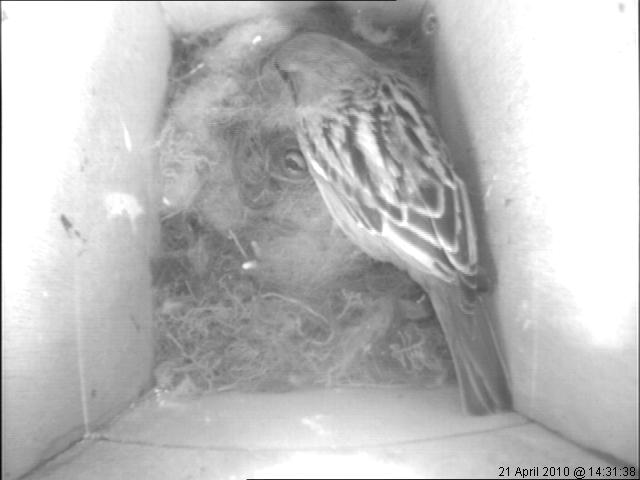
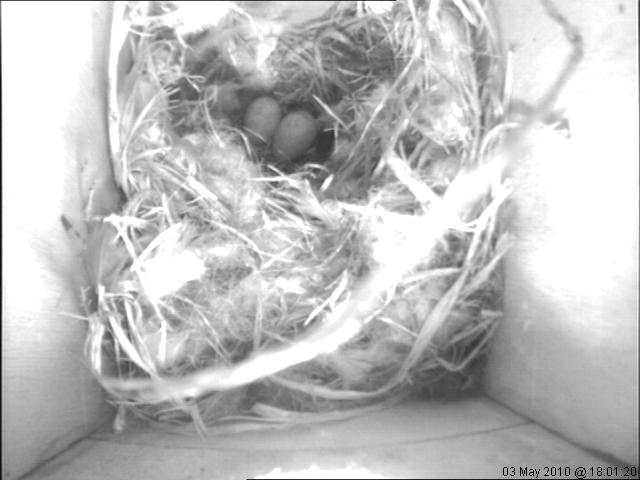
The House Sparrow chicks started hatching sometime after lunchtime today. By mid afternoon three of the chicks had hatched and the female could be seen feeding the tiny young ones and also brooding them to keep them warm. Keep watching to see if any more hatch.

Last time we had sparrows nesting, the chicks did not survive, let’s hope this brood are more successful. With a bit of luck, we might see the chicks fledge by the end of term.

The House Sparrows are Egg-specting!

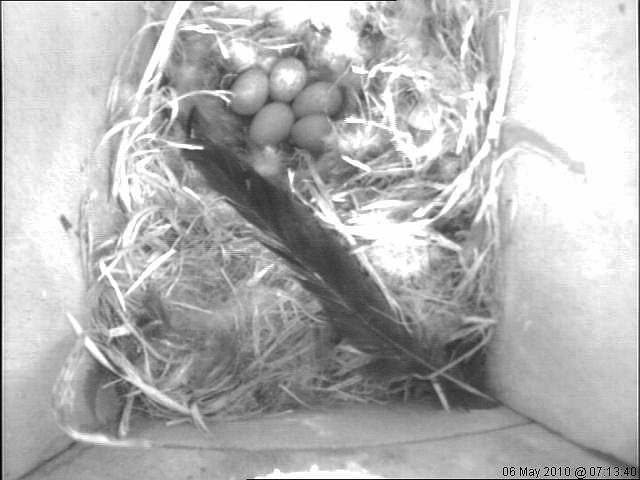
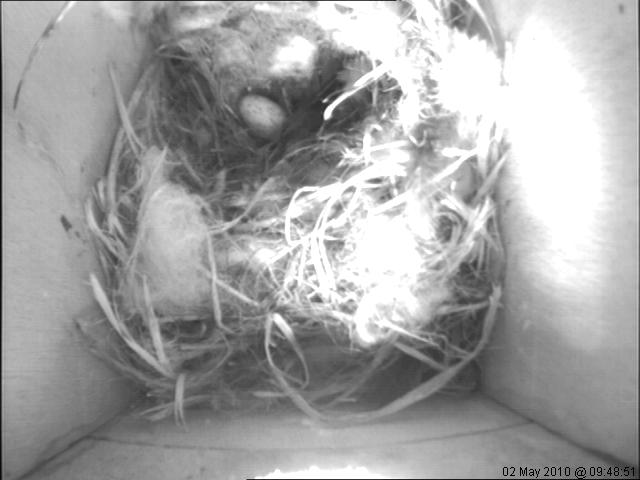
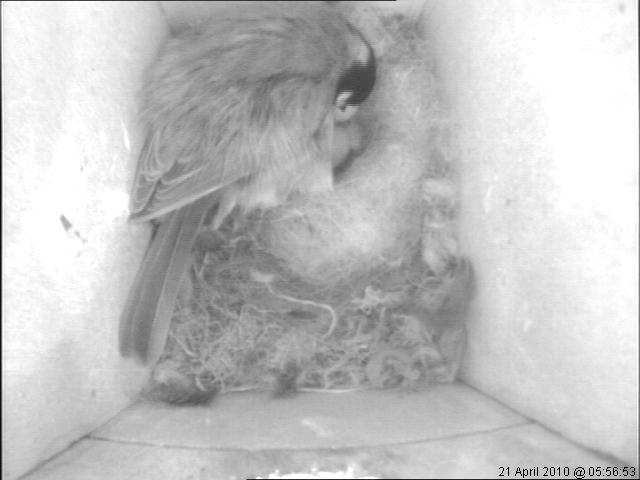
The House Sparrows have now converted the Great Tits’ nest into a typical sparrow’s nest (MESSY) and have wasted no time in laying five eggs of their own. The fifth egg was laid on 6th May and since then, both the adults have taken it in turns to incubate the eggs.

Can you tell the difference between the male and female House Sparrow? When do you think the eggs might hatch?

Destruction – a new chapter starts?

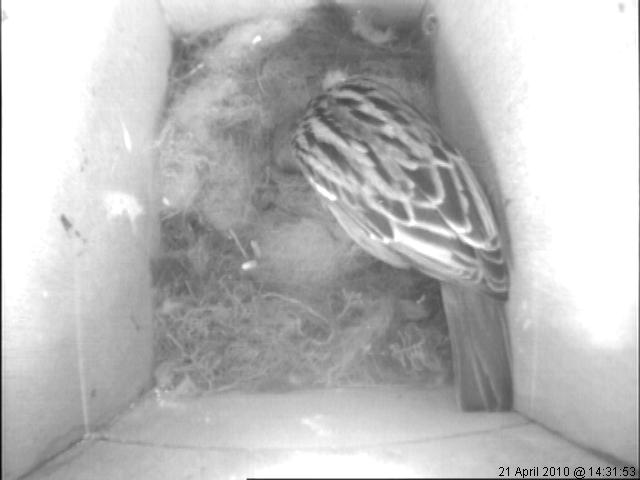
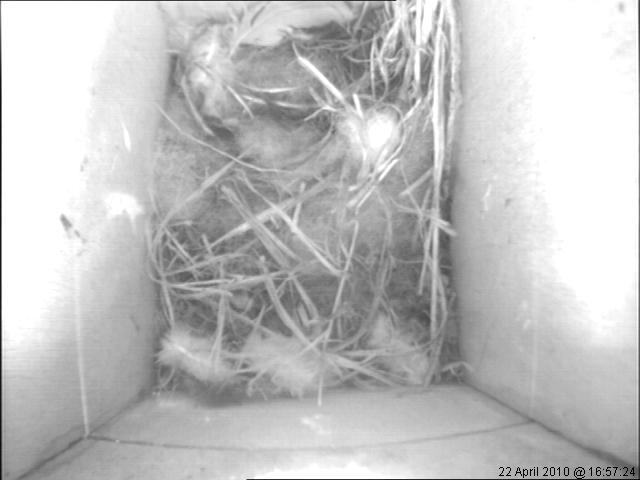
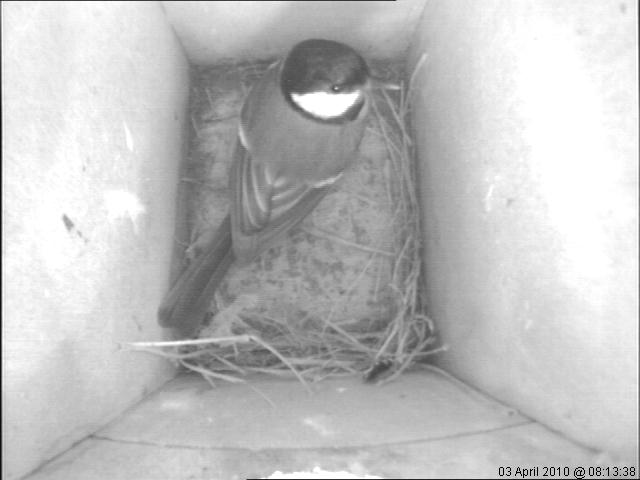
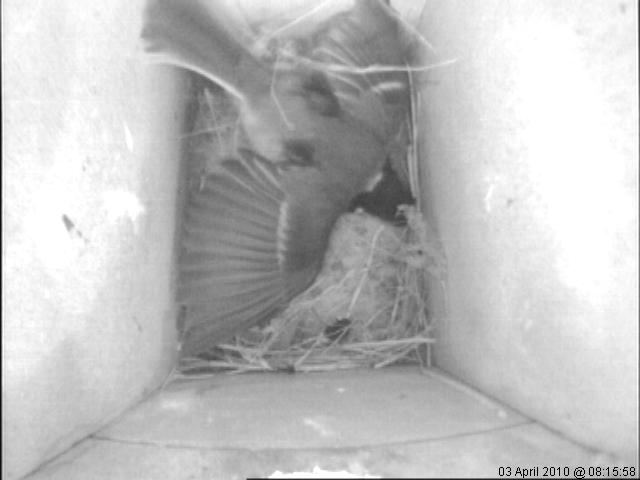
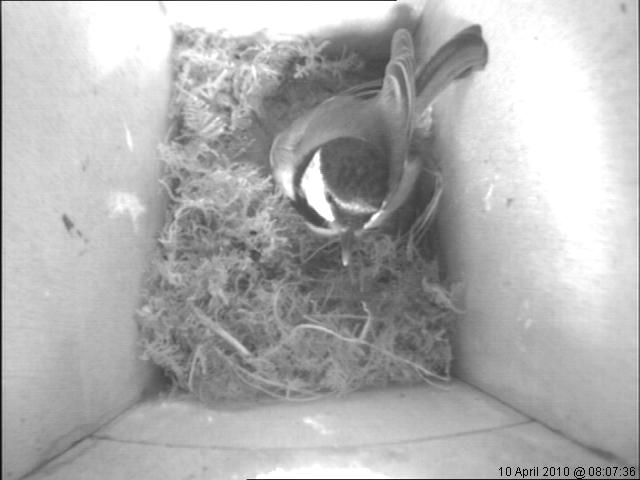
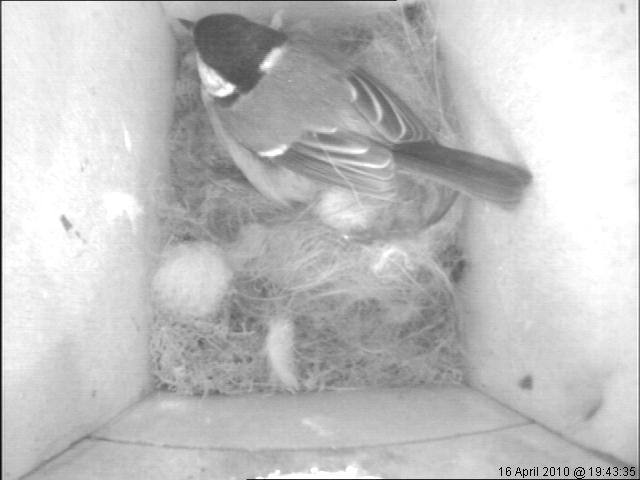
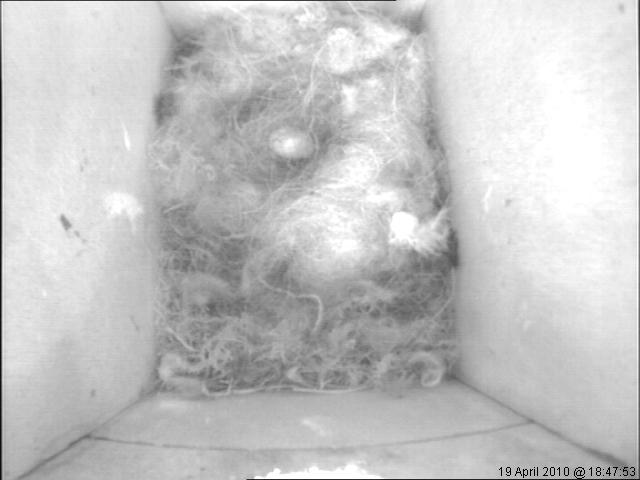
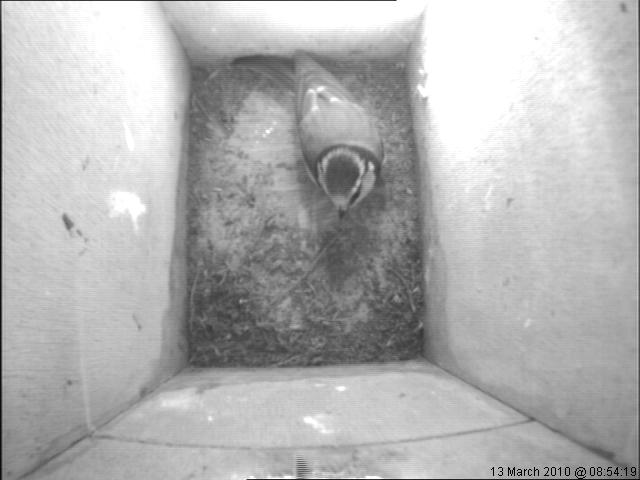
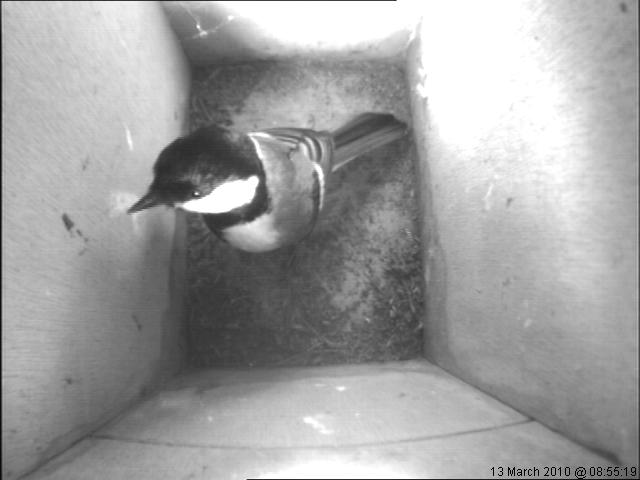
At the beginning of this week, the female Great Tit started to lay eggs. With nest building completed and incubation yet to start, the eggs were still being left unattended for long periods during the day ( covered with nesting material). Yesterday, Class 1 reported seeing a sparrow in the B&W birdcam box and it seemed to be paying far too much attention to the area where the eggs were buried. The children then noticed that one of the eggs appeared to be cracked. This morning two sparrows were seen destroying and removing the rest of the eggs. They also brought in some dried grass and feathers.

Will the sparrows now make the box theirs? How do you feel about what the sparrows did? Let us know what you think by leaving a comment on this post.

Other creatures use nest boxes too!

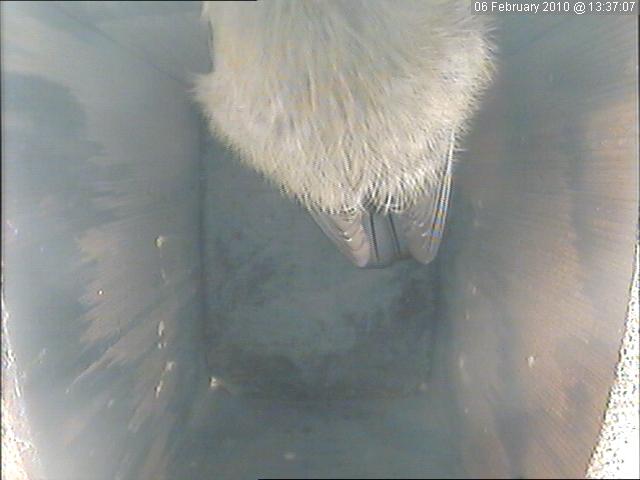
In this country, other creatures, such as squirrels, dormice and bats sometimes use nest boxes, particularly for hibernating in over the winter.

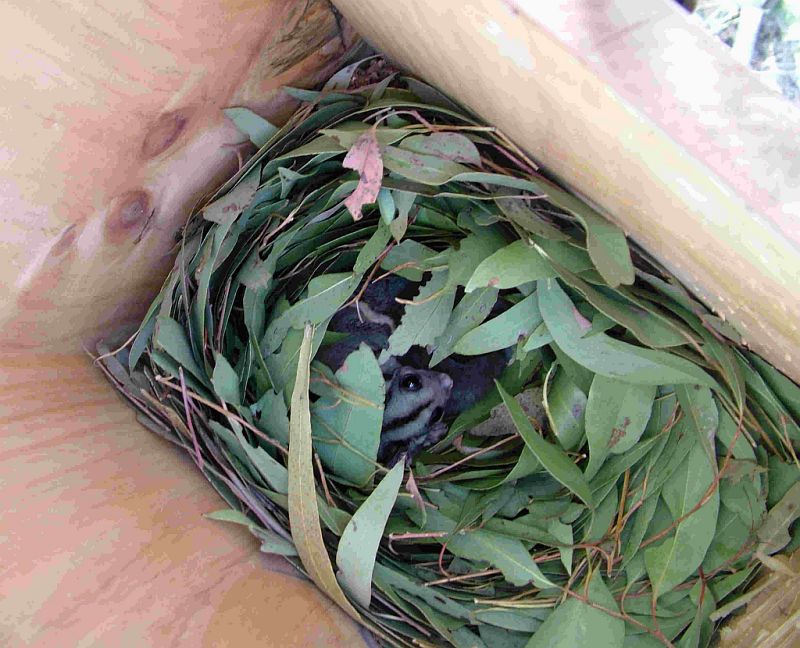
Australian Sugar Glider in a Nest Box

I was recently sent this picture of a Sugar Glider by my Uncle (Ranger Geoff) who lives in Australia. Ranger Geoff put up a number of nest boxes in the trees around his home four years a go but hasn’t found anything in them until now.

Class 2 are very curious and want to find out more about this creature. They are really excited that Ranger Geoff has agreed to answer their questions on this blog.

Update: Ranger Geoff has emailed us a recording of a Sugar Glider calling from the top of a tree just up from his house and also some pictures showing Sugar Glider habitat.

A Sugar Glider Calling

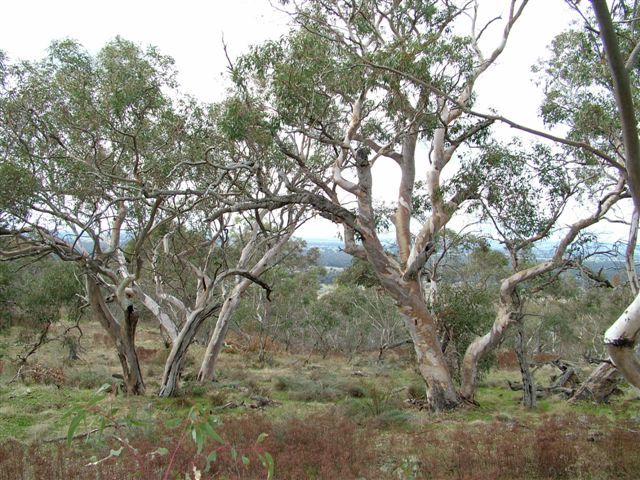
Good Sugar Glider Habitat

Good Sugar Glider Habitat

This is bush in the Warby Range State Park (Victoria, Australia). The trees are Blakelys Red Gums. Notice all the hollows in the trees, just right for Sugar Gliders and many other small animals.


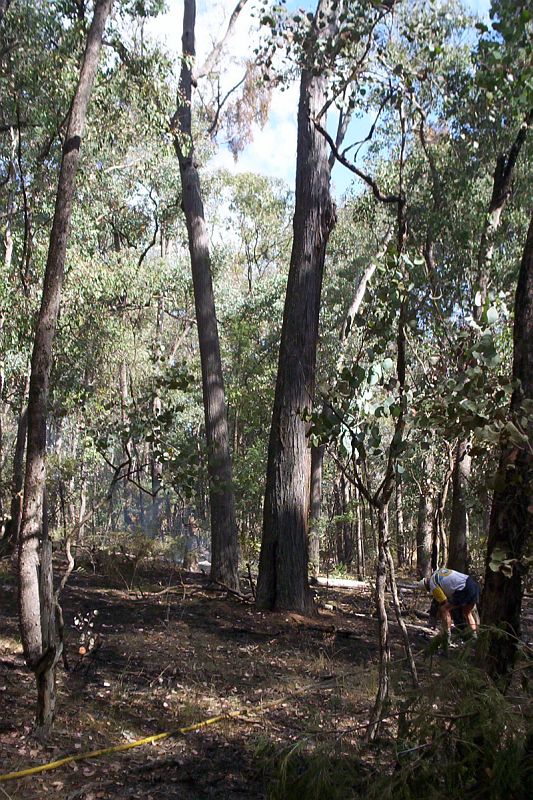
The bush around Ranger Geoff's house

The bush around Ranger Geoff’s house

This is some of the bush around Ranger Geoff’s house. Can you spot Ranger Geoff with a hose blacking out a burning tree after a fire was lit to burn the bush.

Viewers’ Diary – April 2010

April is the month when we usually see birds starting to nest in our nest boxes. Our Infant box (B&W birdcam) already has a few strands of grass it and we have had visits from Great Tits and Blue Tits. Help us record what you see happening in our boxes during April by leaving your comments on this post.

Egg-cellent News from Derby Cathedral!

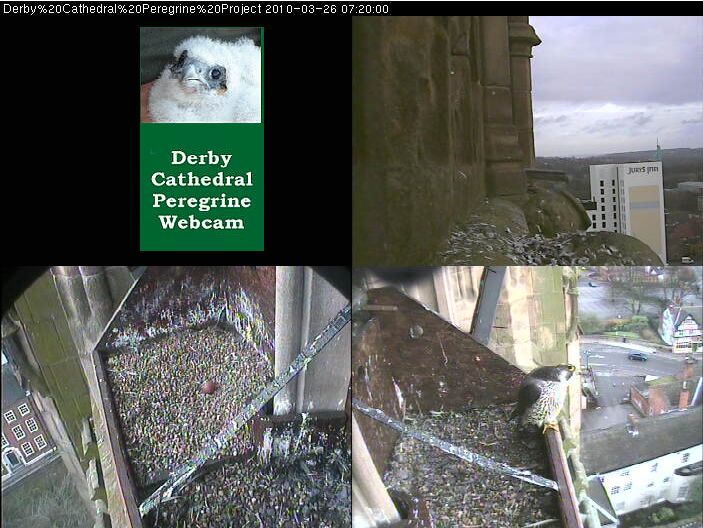
Every year, Peregrine Falcons nest on top of Derby Cathedral. Three web cameras set up on the Cathedral, enable tens of thousands of people to monitor their progress, day and night and blog enables people to record their observations.

This morning, the female laid her first egg, a bit earlier than expected from previous years. Eggs will now be laid every two days until the clutch is complete.

Updates:
2nd egg was laid around 2pm on Friday 26th March
3rd egg was laid Sunday evening (28th March)
4th egg was laid early Wednesday morning (31st March)

1st and 2nd chicks hatched 1st May
3rd and 4th chicks hatched 2nd May

Birds Out and About – 2010

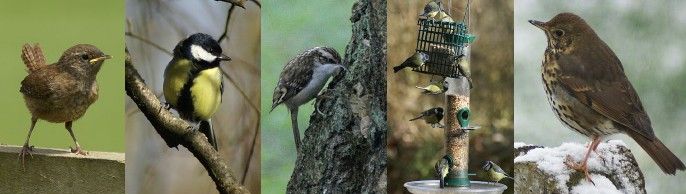
What birds have you seen  in your garden and what were they doing? Do you have any nest boxes or do you encourage birds into the garden by feeding them? What’s their favourite food?

Perhaps you’ve seen some birds during breaktime or lunchtime in school or spotted some while out for a walk.

Please share your observations by leaving your comments here.

Viewers’ Diary – March 2010

This time last year we had had a lot more interest in our nest boxes, perhaps the colder weather is delaying things a bit. Both birdcams are now online most the time, so keep your eyes peeled and let us know if you spot any activity in either of the boxes. Hopefully we will start to see birds nesting by the end of the month.

Check out some of the other school boxes on the Derbyshire Schools Birdcam Project,  Rosliston Primary School has a sparrow roosting in their box at night and it might even have started building a nest! Wessington Primary School has had a blue tit roosting in their box throughout the winter, I bet they are hoping it will start to build a nest soon.

Rainforest Webcams


This term the Juniors are studying Rainforests. The World Land Trust has a website, ‘WildlifeFocus’ which features webcams located in the rainforests of Brazil and Equador.

It would be great if we could make a collection of screenshots of birds and creatures which visit the feeding/drinking stations. Can anyone suggest some good websites which might help us identify the birds?

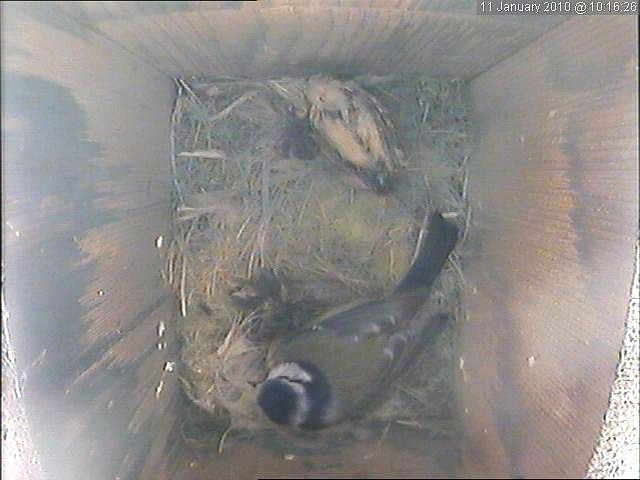
Taking shelter from snowy weather

Many of our small garden birds will have been having a tough time during the recent cold spell. You can make a big difference by putting out food for them but don’t forget they will also need water, since many natural sources will be frozen.

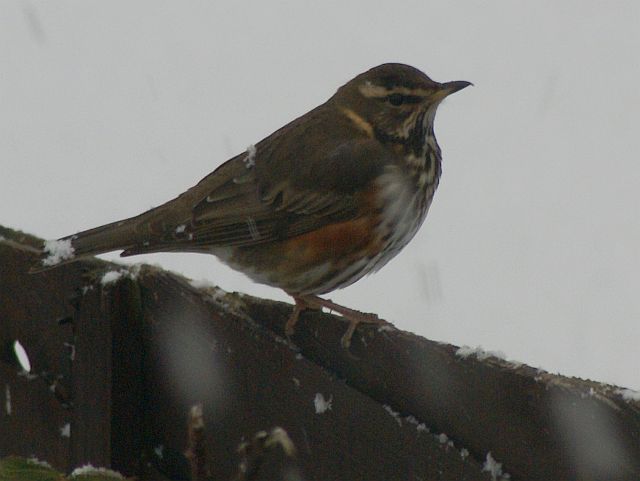
With the snow  blanketing the fields, you may be lucky to see some birds which normally wouldn’t visit gardens. I’ve had several visits from Redwings in my garden this week. These small thrushes usually feed on berries and worms in hedgerows and fields.

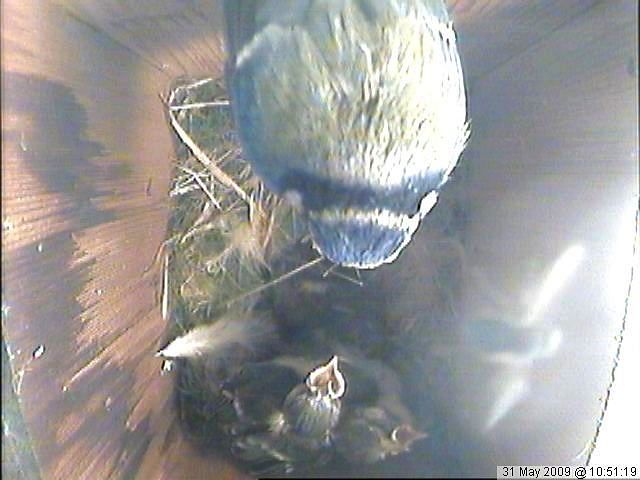
Our colour birdcam was online over last weekend and Monday, and I was really surprised to spot a blue tit paying a visit to the box. It was probably taking a break from the cold outside.

Have you been looking after your garden birds this winter? What birds or wild animals have you spotted? Try some detective work in your garden whilst the snow’s still lying, you might spot some animal or bird tracks which could help you identify some of your visitors. Have a look on the BBC AutumnWatch website for some animal track pictures or download a track sheet from BBC Breathing Spaces.

Our Birdcams

We have two nest boxes fitted with cameras. Our original B&W birdcam box was set up outside the Infant classroom in March 2007; this was replaced by the new Colour Infant Birdcam box in 2014. Another Colour Birdcam box was installed round the back of the school, outside the kitchen, in 2008. Still images are uploaded to the birdcam pages around every 10 seconds.

Viewers’ Diary June – Colour Birdcam

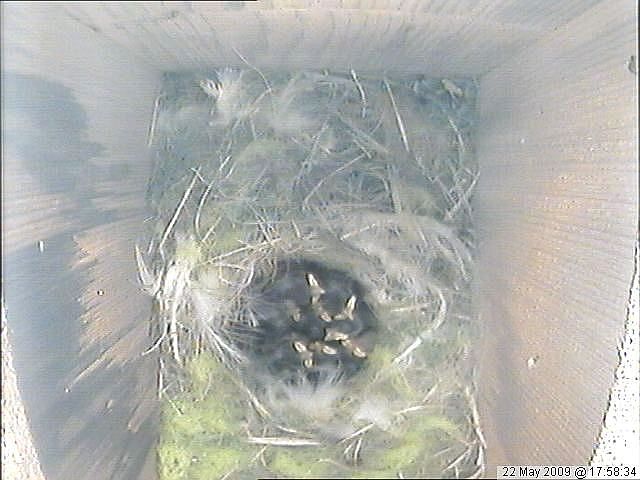
During May, 8 chicks hatched in our colour birdcam box, although it was hard to see them most of the time because the nest was so feathery! During the last week in May, many of the chicks died and only two remain. Will they survive to leave the nest? They are due to fledge by the end of this week.