Big Schools’ Birdwatch 2013 – The Result!

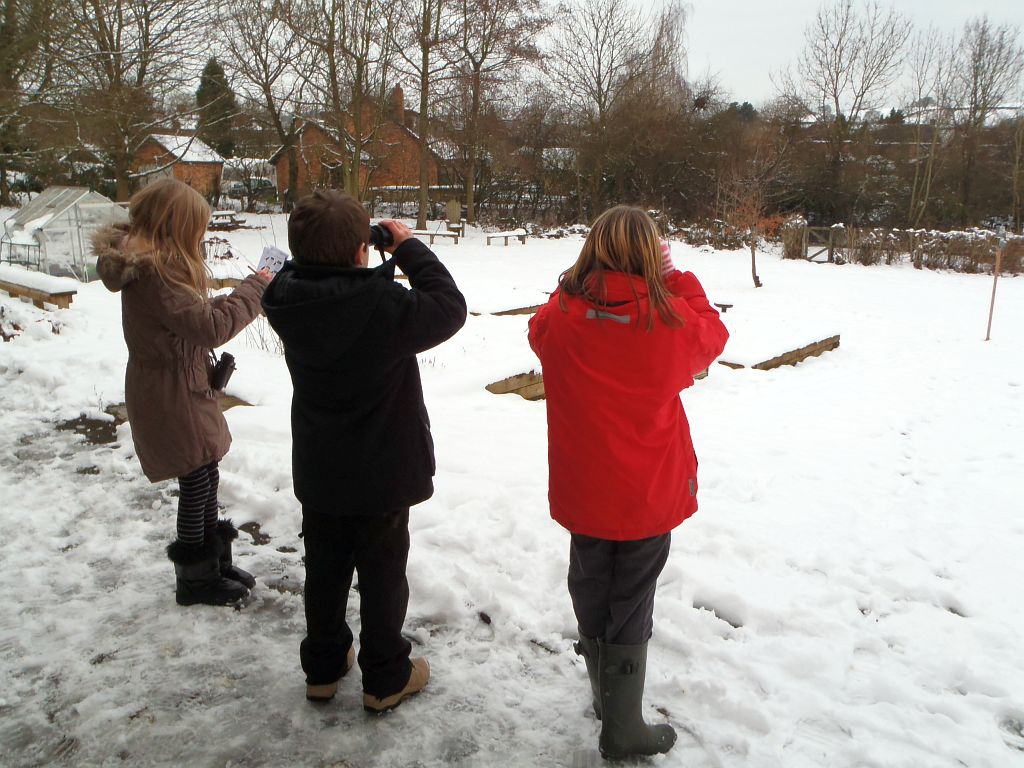
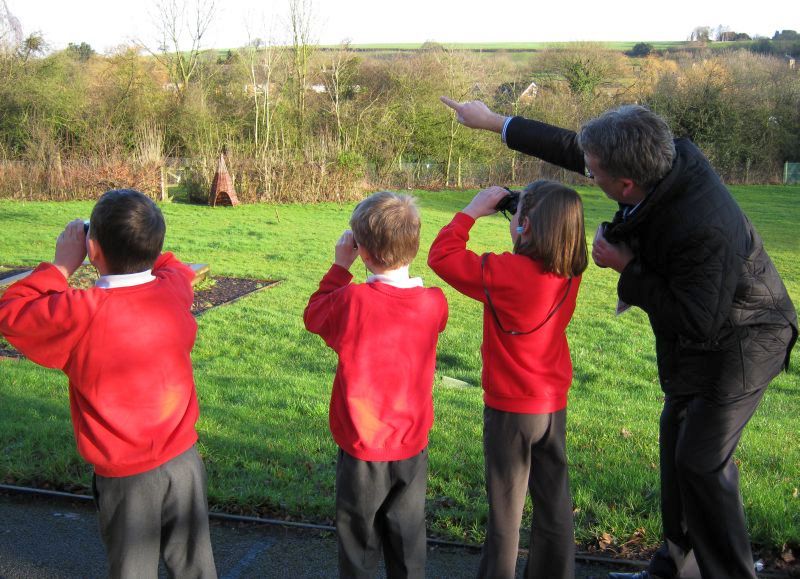
Once again we had a very successful Big Schools’ Birdwatch and managed to submit four sets of results, with most children having the opportunity to contribute. We saw a grand total of 28 different species of bird, surpassing even last year’s impressive total of 23. It was noticeable this year how much the children’s knowledge of birds has increased, helped by their trips down to the bird hides at Ogston Reservoir at the end of last year.

A Chilly Birdwatch!

A Chilly Birdwatch!

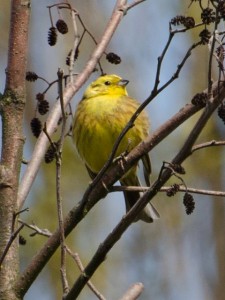
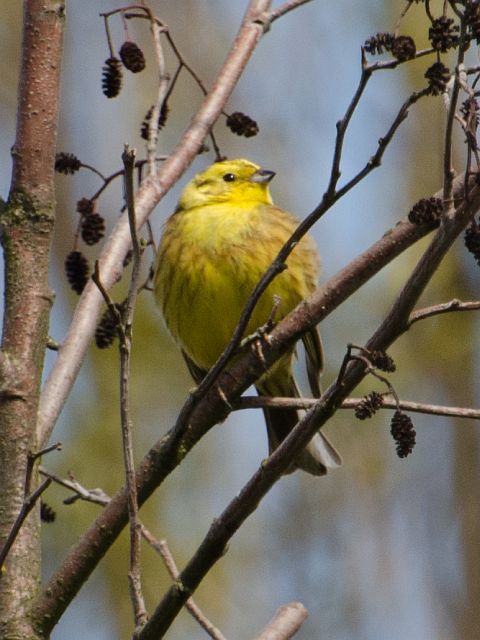
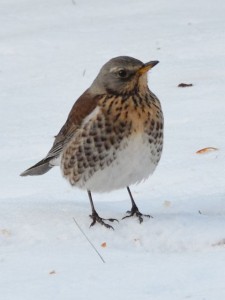
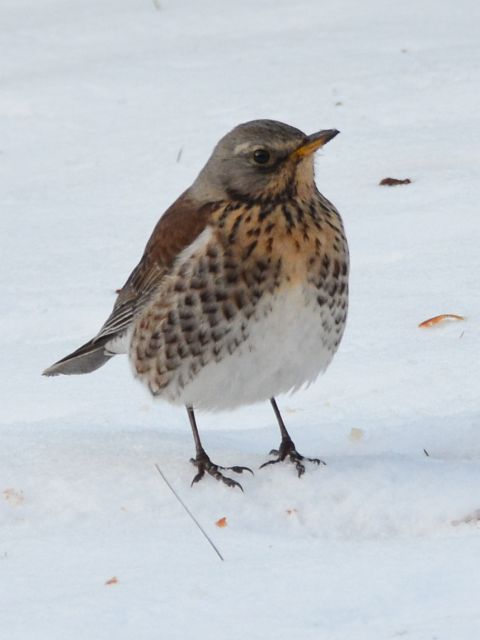
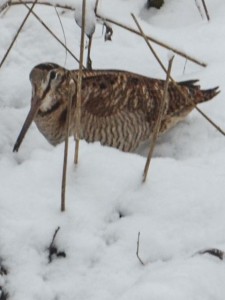
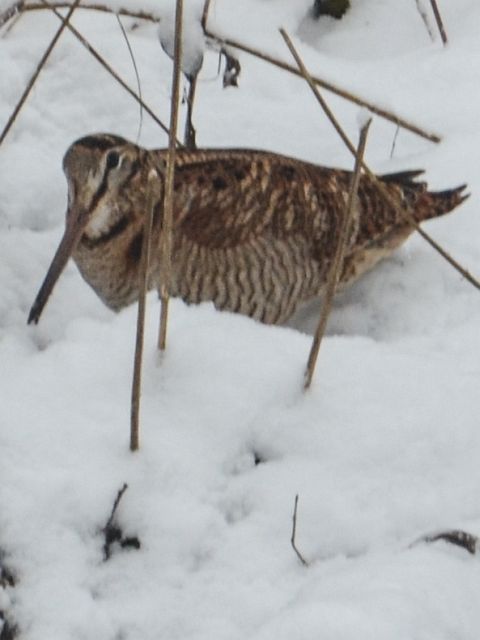
The recent snowy weather led to some interesting results. The first week’s sessions were carried out while snow still blanketed the school grounds and we had some very unusual visitors. By the second week, the snow had gone and our more typical birds returned. By far the most exciting sighting was that of a Woodcock which took off from the corner of the school field in the wooded/ditch area. The long billed Woodcock is usually only active after dusk but during severe weather (as we had during the first week) it can be forced out during the day to forage for food. Members of the Thrush family (Fieldfare, Redwing, Mistle Thrush and Song Thrush) were also more common during the first week. Bullfinch returned in their usual numbers once the snow had cleared, allowing them to forage for seeds under the Alder trees. For the first time we recorded Yellowhammers in the school grounds, although they are often seen in the surrounding fields. Finally, it was great to see good numbers of Tree Sparrows, especially as we know that they had at least one failed brood last year. Surprisingly, we didn’t record any House Sparrows this year.
Continue reading

Big Schools’ Birdwatch – 2013

birdwatch-300x271We will be taking part in the Big Schools’ Birdwatch again this year 21st January – 1st February. If you wish to send in binoculars for your child to use, you may hand them into the School office (please make sure they are labelled with your child’s name). If you have any old spare binoculars which you are happy to donate school, we would be happy to put them to good use!
You might also like to take part in the RSPB’s nationwide Big Garden Birdwatch at home. You should undertake your survey on the 26th or 27th of January.

Clear out Time

The last day of term brought a break in the recent rainy weather, so Mr Marriot kindly visited each nest box to clean them out. We checked out each box for evidence of nesting activity from the previous season. The location of each of these boxes can be viewed on Google Maps.

Sparrow terrace 1 – two of the three sections had shallow grassy nests (Sparrow?)
Corner field box – mainly grassy nest (Sparrow?)
Silver Birch Box – full nest of mainly moss (probably Blue Tit)
B&W birdcam box – full box, mainly dried grass and feathers (Tree Sparrow nest)
Butler Box – no nest
Staff car park box – mainly mossy nest (Blue Tit)
Sycamore tree box – inaccessible, unable to clean out
Pond box – inaccessible, unable to clean out
Bird table roof – Great Tit nest, not able to clean out
Open fronted nest box – Robin nest
Colour birdcam box – droppings left by roosting Great Tit (did not clean out)

Roosting Birds

Birds often use nest boxes to roost in once the weather gets colder in late autumn. Some, such as Blue Tits and Great Tit roost alone but others such as Wrens and House Sparrows may roost together in one box. The record number of Wrens seen roosting together in one box is 63!

Great Tit roosting in the colour birdcam box

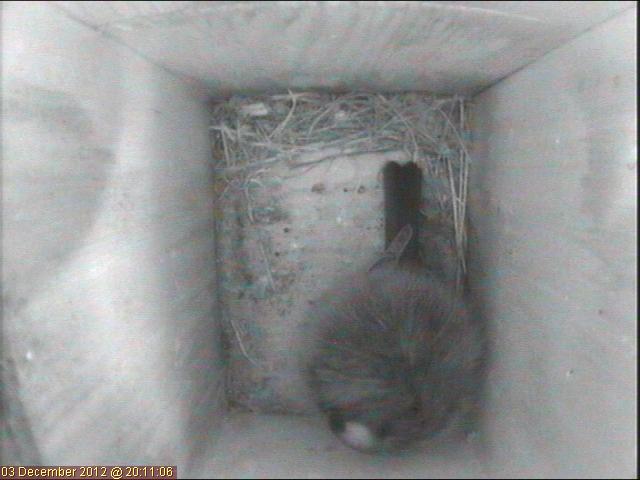
We’ve had a Great Tit roosting in our colour birdcam box for at least a month now. It comes in every night just before it gets dark. We hope to have our B&W birdcam uploading again soon so that we can see if we are getting any night time visitors in this box.

Bright and Early With the Birds – Week 3

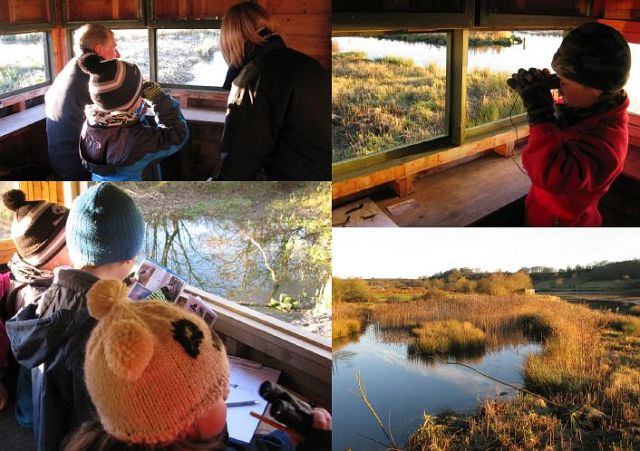
Birdwatching at Ogston Reservoir

It was a chilly but bright morning for our last bird watching session this year. The low sun made it tricky looking out of some of the hide windows but the children knew not to look out of these with their binoculars. We had hoped that a Kingfisher might come and perch on one of the branches overhanging the ponds around the hide, but it waited until later in the day to visit when we had gone! However, we did manage to add 4 new species, bringing our total count for November to 36.

25 different birds were seen today (new species in bold):

Coot, Moorhen, Black-headed gull, Cormorant, Grey Heron, Great Crested Grebe, Little Grebe, Pied Wagtail, Robin, Reed Bunting, Coal Tit, Willow Tit, Blue Tit, Great Tit, Chaffinch, Goldfinch, Greenfinch, Goldfinch, Bullfinch, Dunnock, Blackbird, Redwing, Nuthatch, Sparrowhawk and Carrion Crow.

Children, I’ve really enjoyed taking you bird watching, your enthusiasm shone through! As well as thanking Ogston Bird Club for letting us use their facilities, I would also like to thank the parents who got up especially early so that their children could take part in this activity! Our next bird watching event will be ‘The Big Schools’ Birdwatch‘ at the end of January. We also hope to visit Ogston Reservoir again in the Spring.

Previous reports: Week 1Week 2

Early Birds! – Week 2

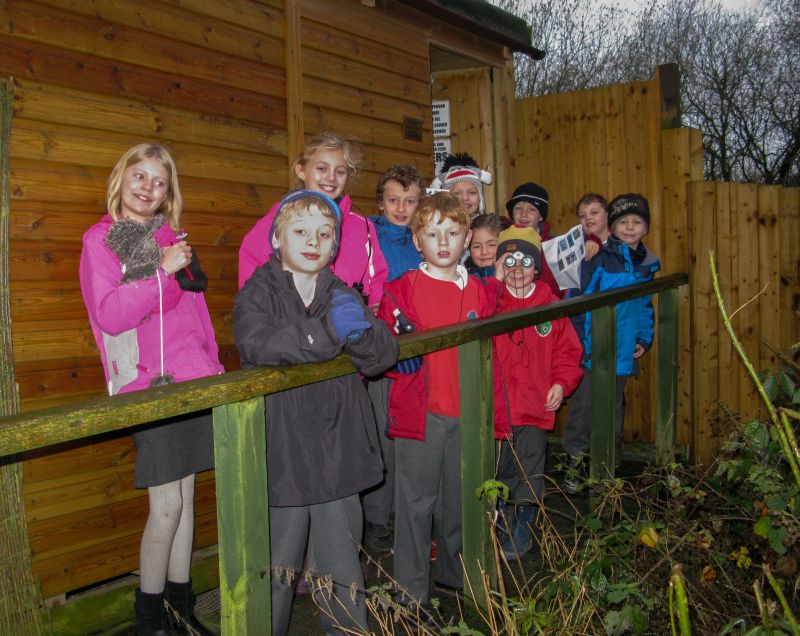
Birdwatching at OgstonOnce again 11 children and their parents braved the elements to take part in an early morning bird watching activity at Ogston Reservoir. The children are getting very proficient in naming the birds visiting the feeders as well as the less familiar ones out on the reservoir. I can see that I will be handing out quite a few certificates in tomorrow’s achievement assembly!

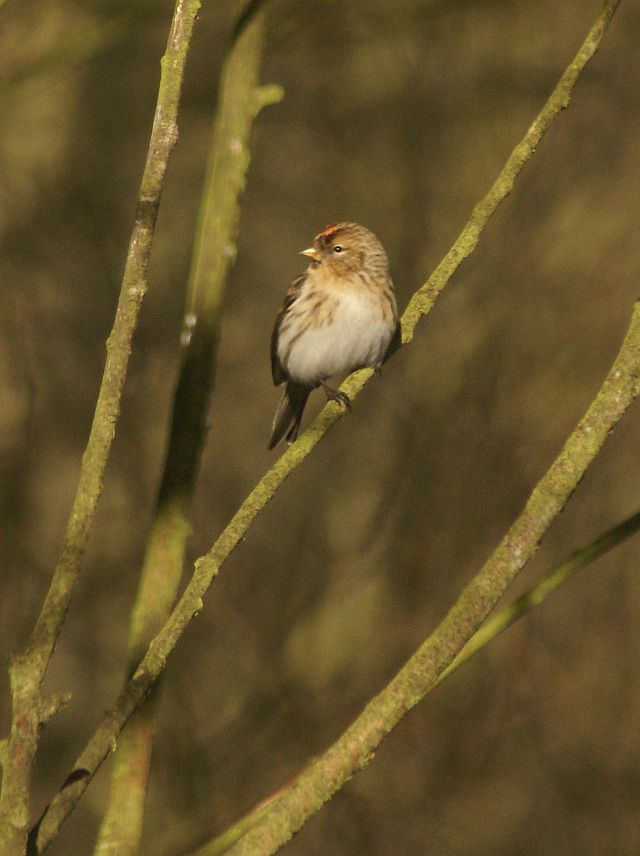
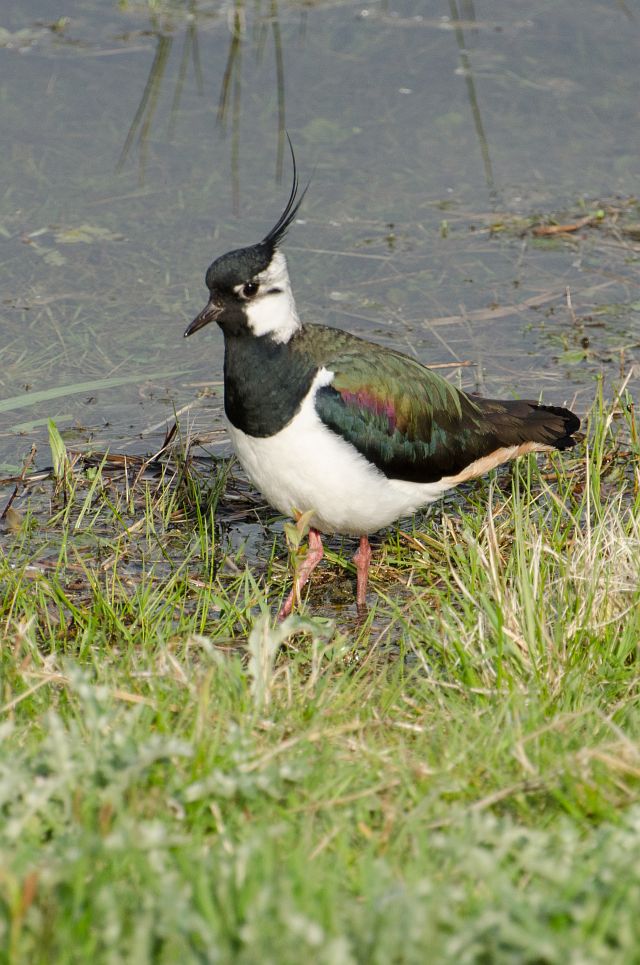
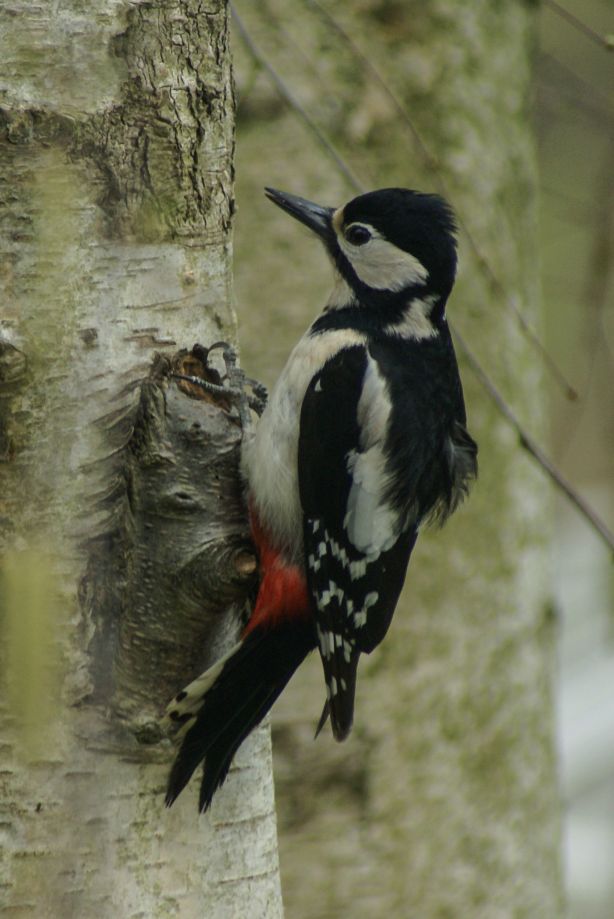
We saw quite a few species that we didn’t see last week (in bold), including a whole flock of Lapwings, a male Bullfinch bathing in one of the ponds and a lovely little Redpoll. A magnificent Great Spotted Woodpecker also visited twice. In total we saw 27 different bird species (3 more than last week):

Mallard, Tufted Duck, Great Crested Grebe, Canada Goose, Little Grebe,Lapwing, Black-headed Gull, Gadwall, Grey Heron, Teal, Coot, Cormorant, Pied Wagtail, Robin, Nuthatch, Blue Tit, Coal Tit, Great Spotted Woodpecker, Great Tit, Goldfinch, Chaffinch, Greenfinch, Redpoll, Reed Bunting, Dunnock, Blackbird and Bullfinch.

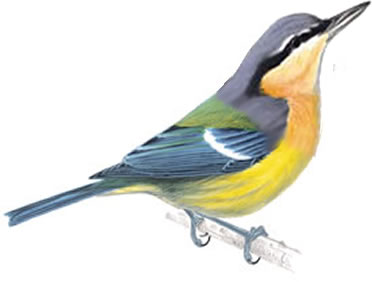
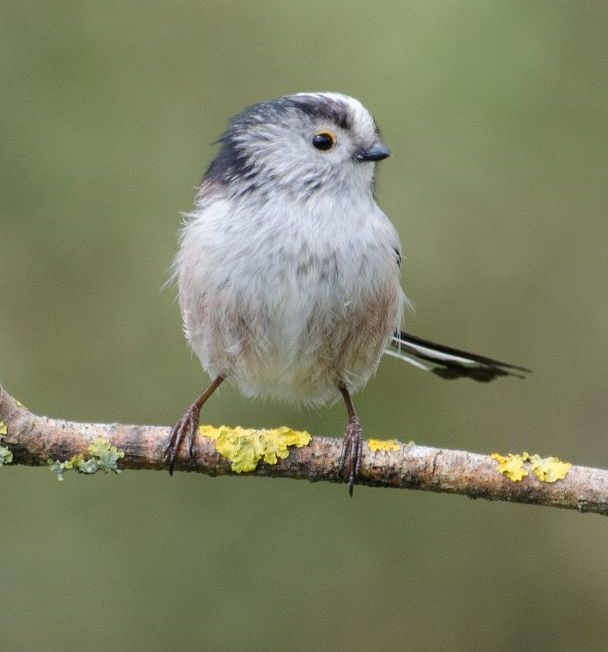
Someone said they saw a ‘Nut Tit’! I wonder if it looked like this?

Nut Tit!

Bird Bonanza at Ogston Reservoir – Week 1

Well done to the children (and adults!) who managed to get up early to take part in this morning’s  bird watching session at Ogston Reservoir. Children kept a record of the birds they could identify on their bird spotting sheets.  In total, we managed to spot 24 different species:

Coot, Moorhen, Cormorant, Canada Goose, Black-headed Gull, Little Grebe (Dab Chick), Great Crested Grebe, Grey Heron, Mallard, Greenfinch, Chaffinch, Goldfinch, Great Tit, Blue Tit, Coal Tit, Tree Sparrow, Dunnock, Reed Bunting, Nuthatch,Wren, Robin, Blackbird, Magpie and Goldcrest.

What an eagle-eyed lot you are!

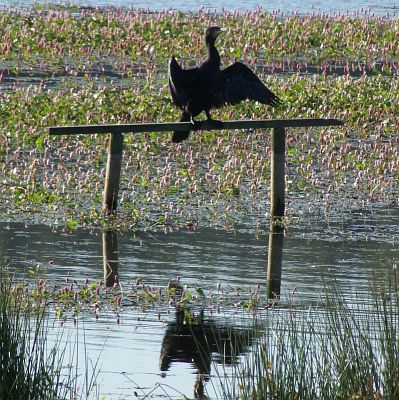
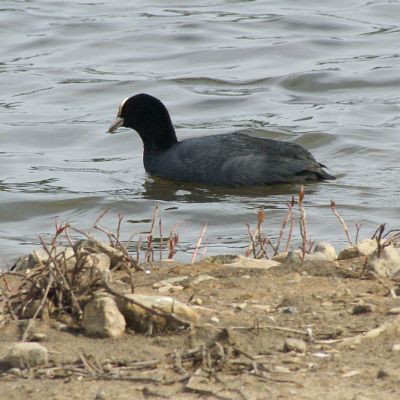
Can you remember what these birds are called?

The next bird watching session will be from 8.00 am to 8.50 am on Thursday 22nd November. Please confirm if you wish to attend as we do need to restrict numbers.

We would like to thank Ogston Bird Club for allowing us to use their bird hides. A special mention must go to Mr Mike Swain for topping up the bird feeders before we arrived; this allowed us to see many birds close up in addition to those out on the reservoir. If you are interested in joining Ogston Bird Club, you can download a membership application form from their web site. An annual family membership only costs £12 (memberships purchased now, run through to the end of next year).

Nesting Activity – May 2012

Although we caught a glimpse of a Tree Sparrow chick in April, we think this first brood didn’t survive because of the extremely wet weather at the end of April, which made it difficult for the adults to collect insects to feed their brood. There was a dead chick on view on 27th April and no evidence of any live ones. However, the adults have continued to visit the box so we may still see a second brood during May.

Great Tit Fledgling

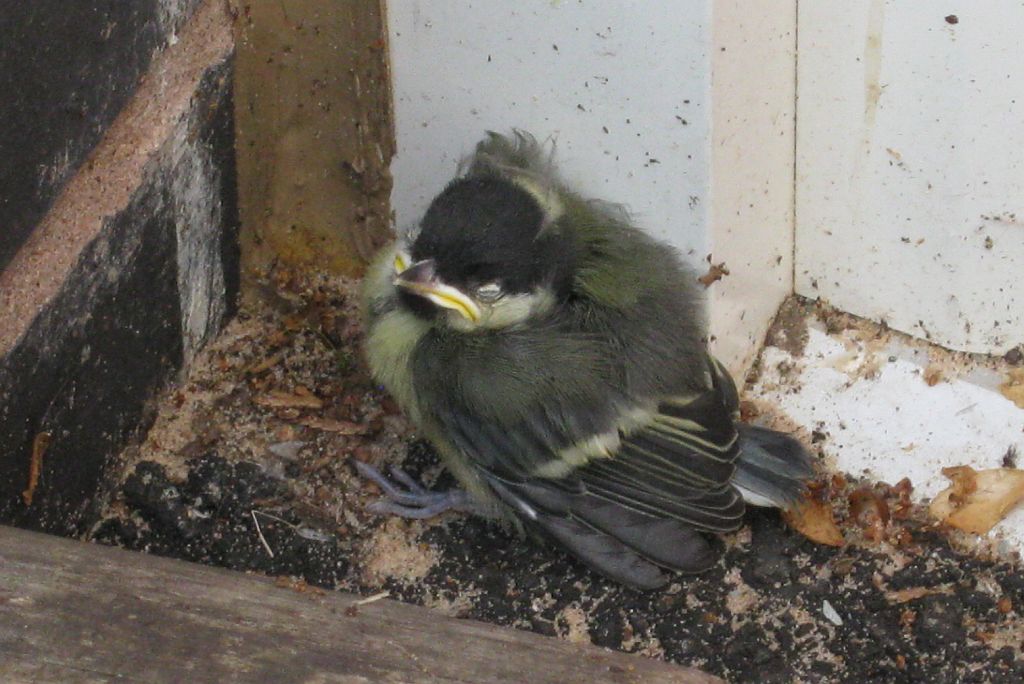
On the 10th May, we spotted Great Tits going in out of the roof of the bird table in the busy Infant play area. On investigation, we could hear chicks chirping!  We immediately removed any food off the bird table so as not to encourage Magpies or Squirrels to come near the nest. The adults have been extremely busy bringing caterpillars and insects to feed to their young and haven’t been bothered at all by Class 1 playing around the bird table. The chicks fledged this week (23/05/12), Mrs Tait had to rescue one frightened chick which had come to rest under the classroom door frame. It was relocated to the safer environment of a nearby bush where it later flew off from. We still have  Blue tit chicks in the bird box in the staff car park.

Birds out and about and a new challenge!

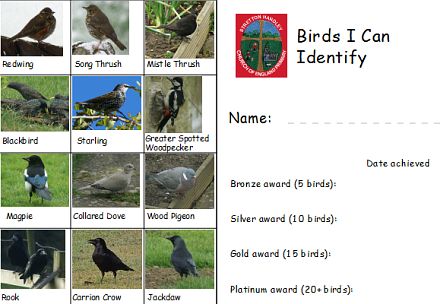
This year, not only do we want you to tell us about the birds you have seen at school or at home by leaving a comment on this post, we also have an exciting new challenge for you. You can win awards by identifying birds and ticking them off in your personal record booklet. You must show Mrs Mahadevan or another adult that you can correctly identify each bird before recording it.

Binoculars are available at breaktimes and should be used at the birdwatching corner. You will only be allowed to use the binoculars if you can show that you know the safety rules and can look after them:

  • NEVER LOOK TOWARDS THE SUN with the binoculars. You will damage your eyes.
  • Always hang the binoculars around your neck. Take care when passing them on to someone else.
  • Do not run with the binoculars.
  • Please wrap the neck strap round the binoculars and place them gently back in the box when you have finished using them.

GOOD LUCK!

Nesting activity and our first chicks!

First sighting of a chick!

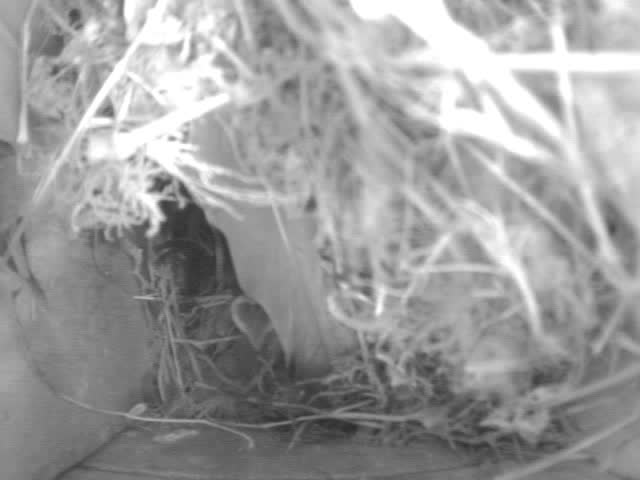
When we broke up for the Easter Holidays (30th March), we suspected that the Tree Sparrows in the B&W (Infant) box had started to incubate eggs. Although the dome shaped structure of the nest meant that the birds were mainly out of sight, they did appear to be spending long periods of time sitting very still in the box. By the end of the holidays there appeared to be a lot more activity, could there be chicks? Class 3 were watching the live stream today and think they glimpsed a chick. This evening I definitely spotted the gaping beak of a chick. Keep watching to see how many chicks there are.

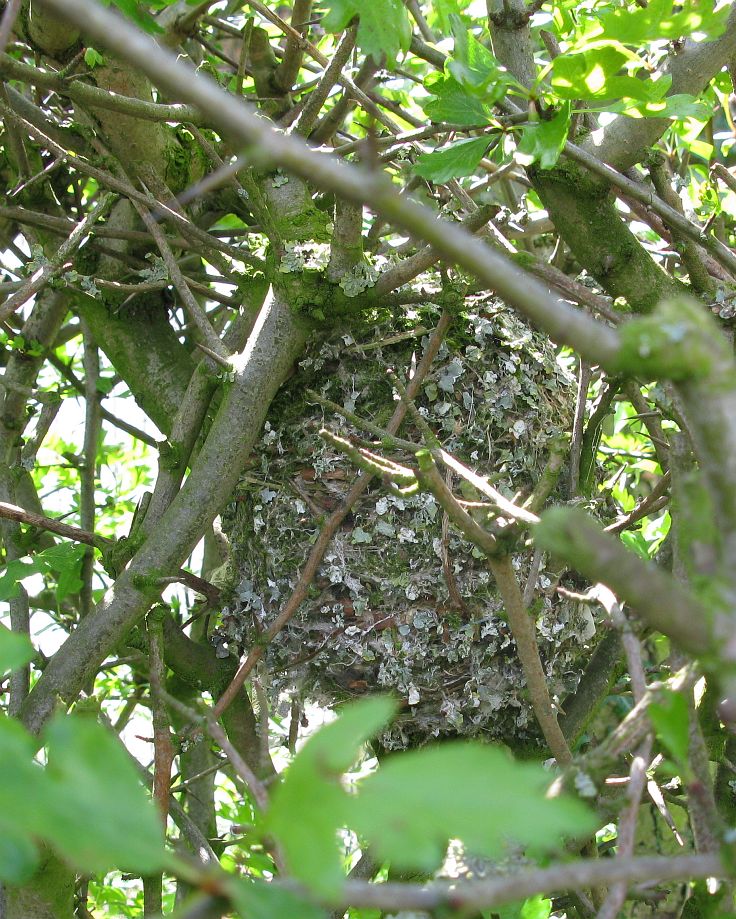
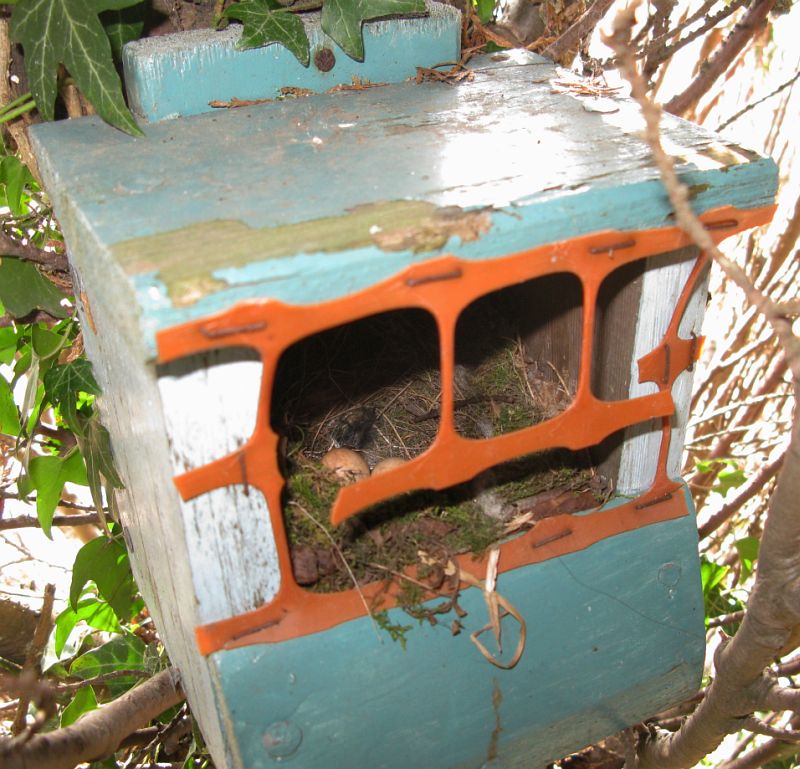
Unfortunately, the Robin nest in the box near the gate looks like it was abandoned. It’s possible that the eggs hatched but snowy weather in the first week of the holidays meant that the adults couldn’t collect enough food to support the chicks. Predators may also have been responsible for a failed clutch/brood. However, during the holidays, a pair Long-tailed tits were busy crafting a nest in a nearby Hawthorn bush. The nest is egg shaped and made out of lichen glued together with cobwebs! It is lined with feathers and hair. Please don’t play on or behind the mound, we don’t want to frighten them away from their nest.

A New Nesting Season Starts

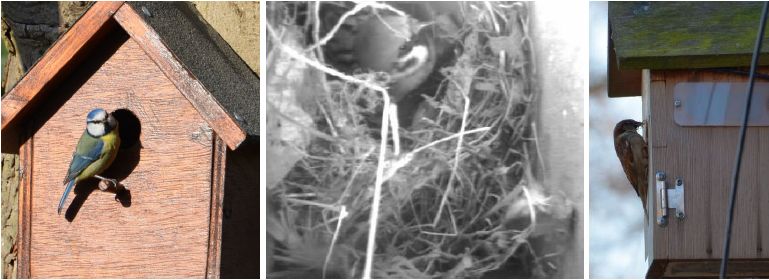
Birds are already checking out all our school boxes around the school grounds. Tree Sparrows have been building a nest in our B&W birdcam box and House Sparrows have been seen taking a little nesting material into our Colour birdcam box. We have also seen Blue tits going in and out of the box near the pond.

Blue tit – Car park box, Tree sparrow – B&W box, House Sparrow – Colourcam box

Please tell us what you see happening in our nest boxes by leaving a comment on this post.

Big Schools’ Birdwatch 2012 – The Result!

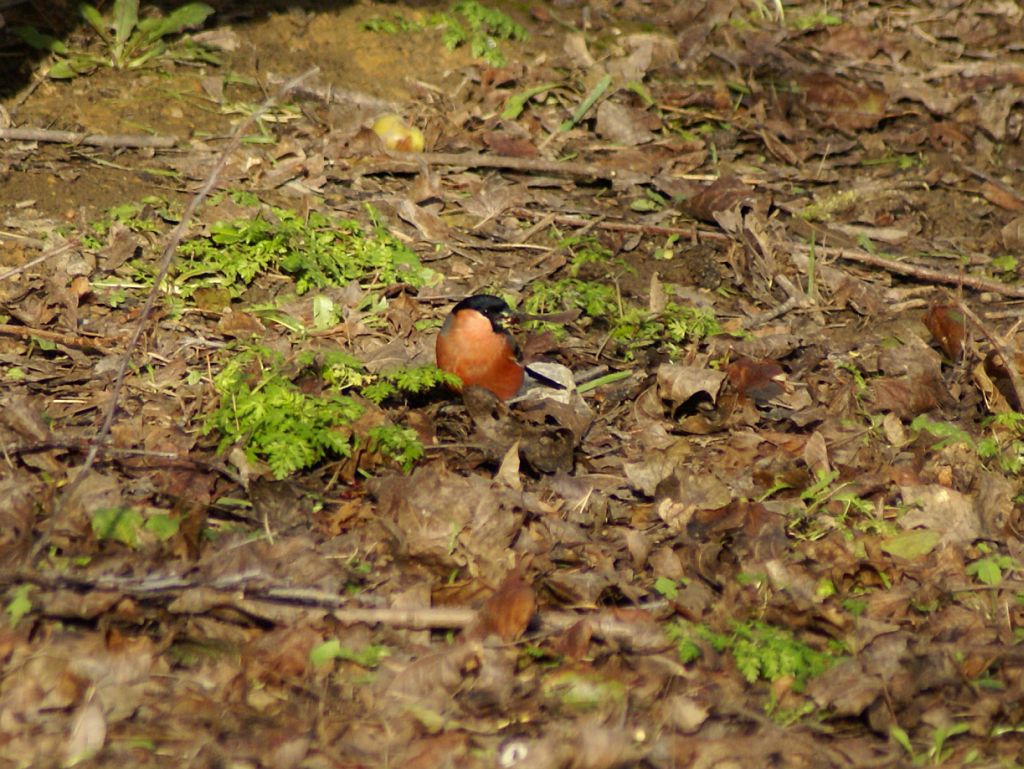
Male Bullfinch

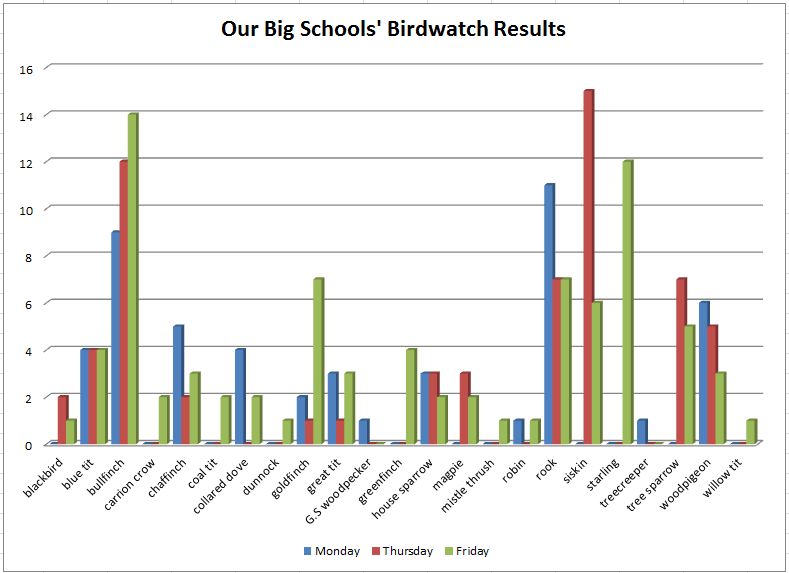
We had a hugely successful Big Schools’ Birdwatch this year, with all children taking part over three days. We are very lucky to have such fantastic school grounds with a variety of habitats, including  mature trees such as Alder, Sycamore, Silver Birch and Ash, hedgerows and a pond area.  In addition, the school is surrounded by fields and because Ogston Reservoir is nearby, we often see interesting birds flying overhead (not countable in this survey). This variety in habitat was reflected in the number of different bird species spotted during the week; a grand total of 23! We were particularly lucky to have some less common birds visit and  in very good numbers. These included Tree Sparrows, Bullfinches and Siskins.

A couple of people donated binoculars to school which made it easier for all children to take part in the event; thank you very much for these. We were joined on Friday by a local birdwatcher, Mr Daniel Martin who kindly gave up his time to lend his expert eye and help us spot a number of species we may have otherwise  missed. Most of all, well done children, you did a fantastic job and did your school proud. Let us know which birds you enjoyed seeing most by leaving a comment on this post.

Species Monday 23rd Thursday 26th Friday 27th
Blackbird 0 2 1
Blue Tit 4 4 4
Bullfinch 9 12 14
Carrion Crow 0 0 2
Chaffinch 5 2 3
Coal Tit 0 0 2
Collared Dove 4 0 2
Dunnock 0 0 1
Goldfinch 2 1 7
Great Tit 3 1 3
G.S Woodpecker 1 0 0
Greenfinch 0 0 4
House Sparrow 3 3 2
Magpie 0 3 2
Mistle Thrush 0 0 1
Robin 1 0 1
Rook 11 7 7
Siskin 0 15 6
Starling 0 0 12
Treecreeper 1 0 0
Tree Sparrow 0 7 5
Willow Tit 0 0 1
Woodpigeon 6 5 3
TOTAL BIRDS SEEN 50 62 83
SPECIES COUNT 12 12 21

Big Schools’ Birdwatch, 16-27th January 2012

Just a quick note to let you know that we are hoping to take part in the Big Schools’ Birdwatch week commencing 27th January. If you wish to send in binoculars for your child to use, you may hand them into the School office (please make sure they are labelled with your child’s name). If you have any old spare binoculars which you are happy to donate school, we would be happy to put them to good use!

You might also like to take part in the RSPB’s nationwide Big Garden Birdwatch at home. You should undertake your survey on the 28th or 29th of January.

Bird Box Clear Out

New nesting material

Autumn has well and truly arrived, so on Friday we decided it was time to clear out the school’s nest boxes to allow for a fresh start for next year. The RSPB and BTO recommend that boxes are cleaned each year to prevent the build up of parasites which might harm future broods. Although Tree Sparrows are known to maintain their dome shaped nests throughout the winter, we were advised to clear out their box as well. I’ve noticed that a few feathers have arrived in the B&W box today, so maybe the Tree Sparrows have already starting to think about making a fresh nest for next year.

The non-camera boxes also had remnants of nests made mainly from moss and so probably made by Tits. We’re not sure whether there had been any successful broods in these because a big hole was found in the new box on a Silver Birch (possibly made by a woodpecker) and the Sparrow terrace box had a wasp nest in the middle section.

A Third Brood for the Tree Sparrows

Last chick – home alone!

Checking the live feed from the B&W birdcam box today, I could hear the faint sound of chicks chirping which means that a third brood of Tree Sparrow chicks have hatched some time during the last couple of days.

They seem to have coped well with extra noise generated by the school’s Summer Fair today. Let’s hope they are OK with the wind and rain forecast for this weekend. At least they should fledge during the relative quiet of the Summer Holidays. Keep watching and let us know if you spot any chicks and how many.

Update: The adult Tree Sparrows successfully raised another brood of five chicks, four of which fledged on 30th July. The final chick fledged 2 days later on 1st August.