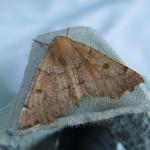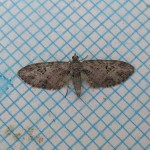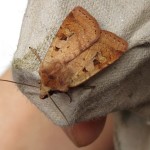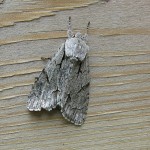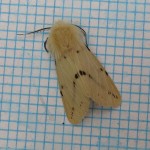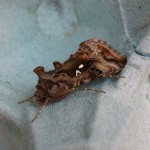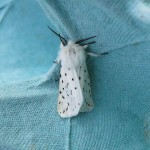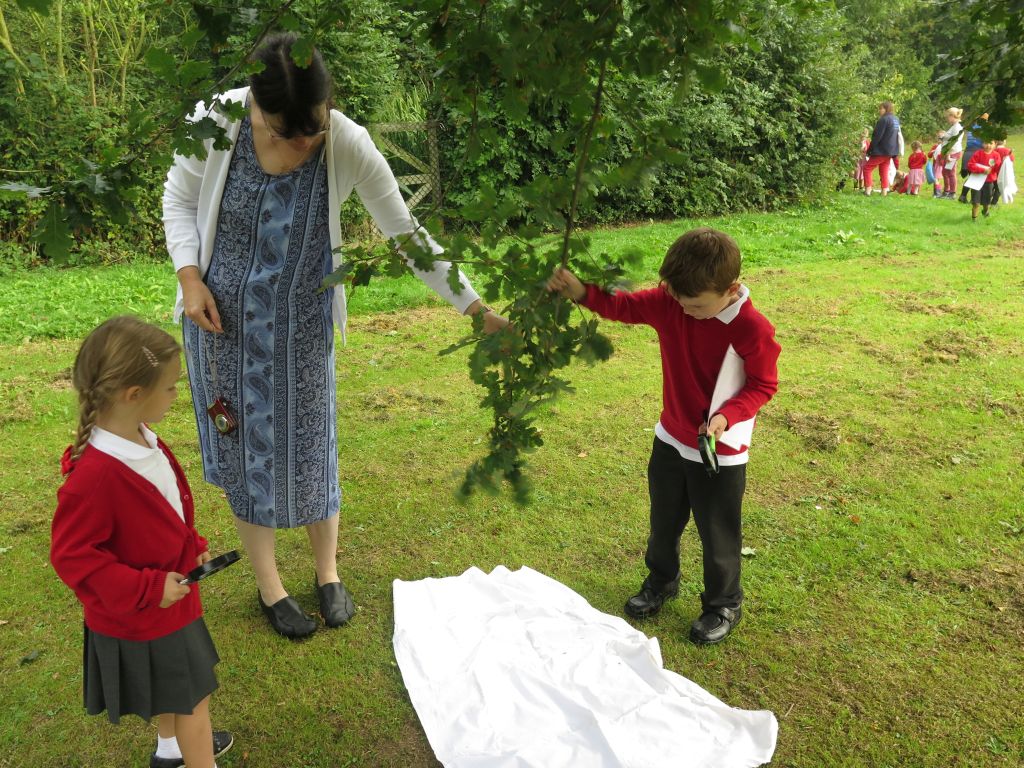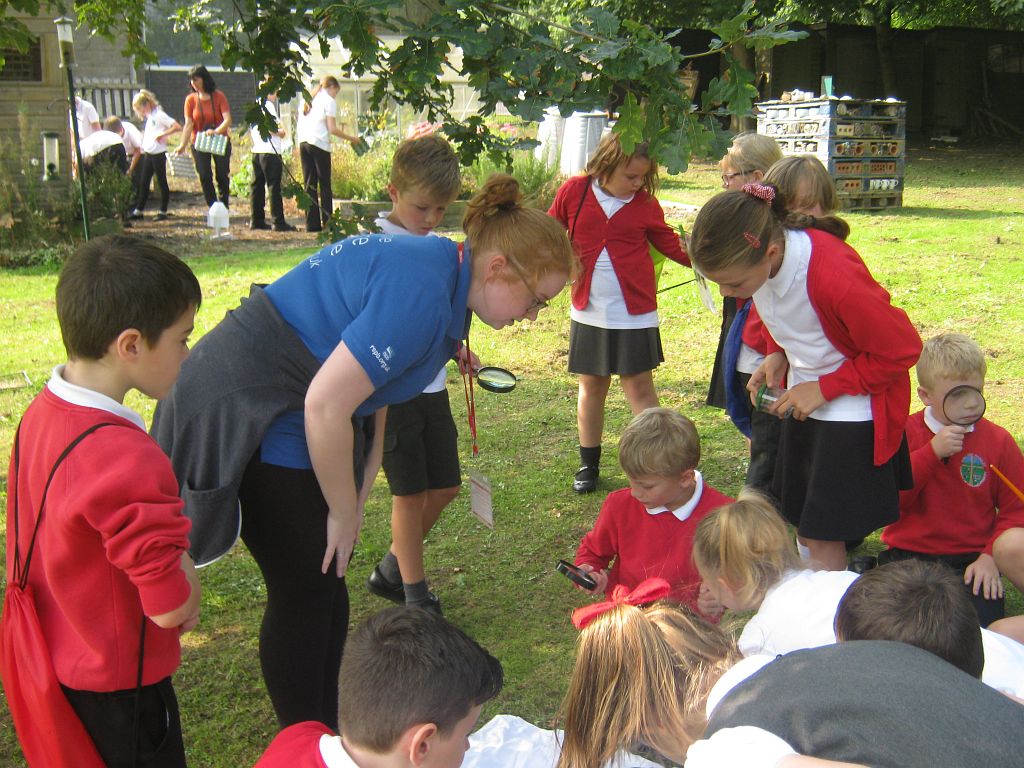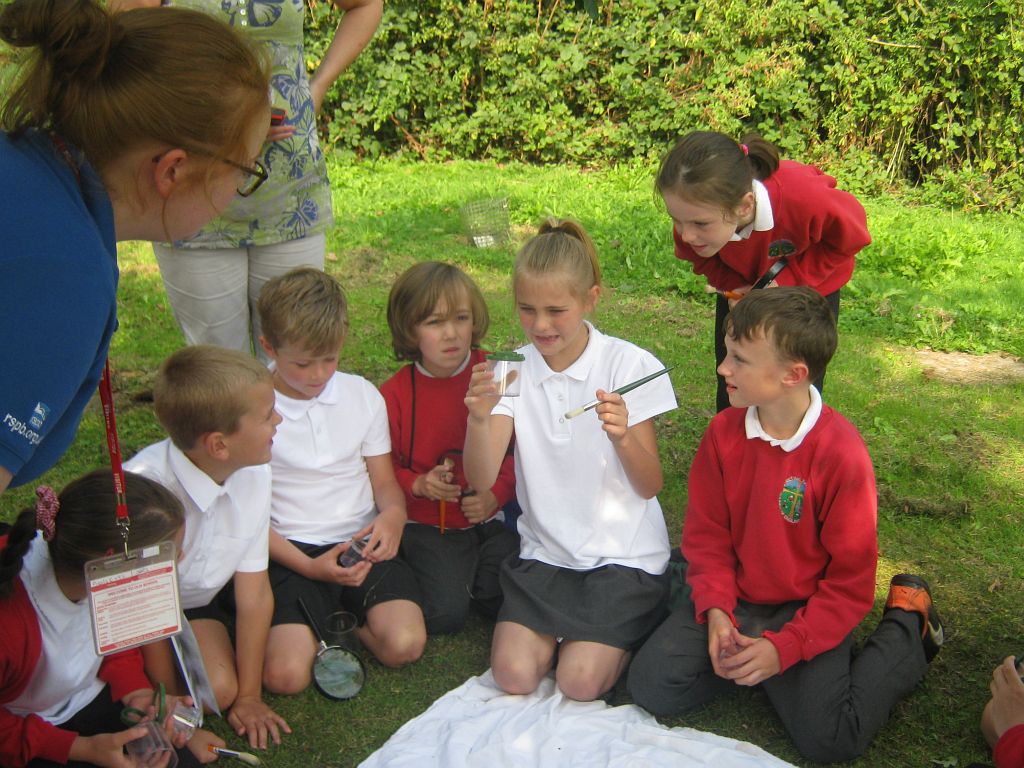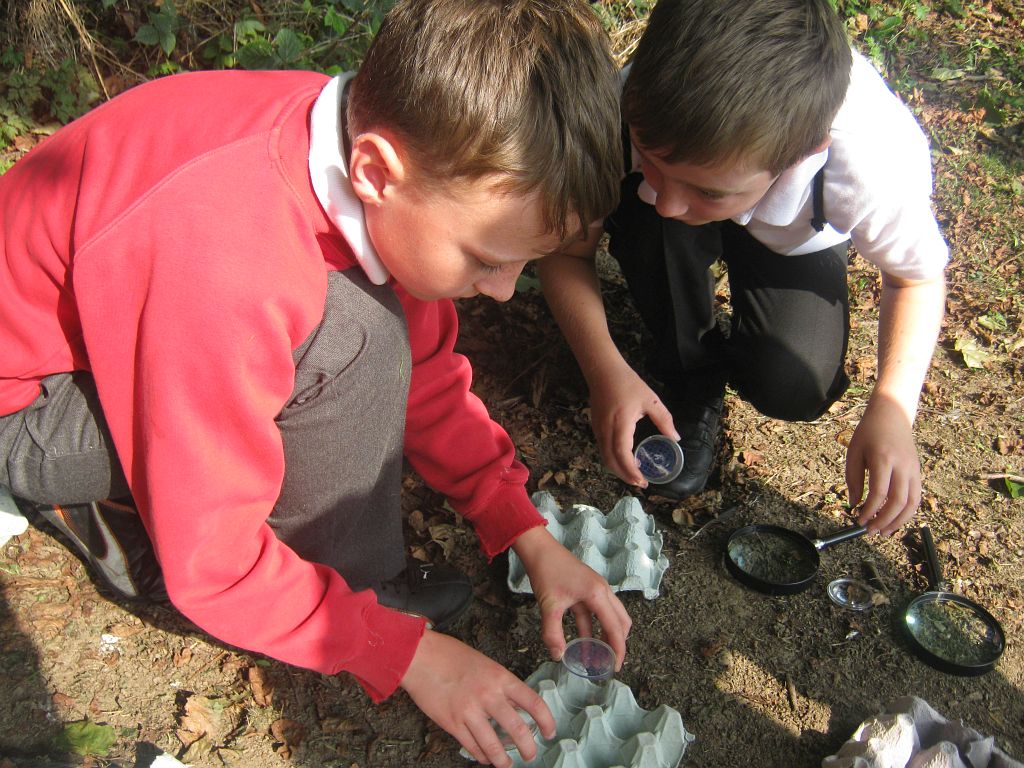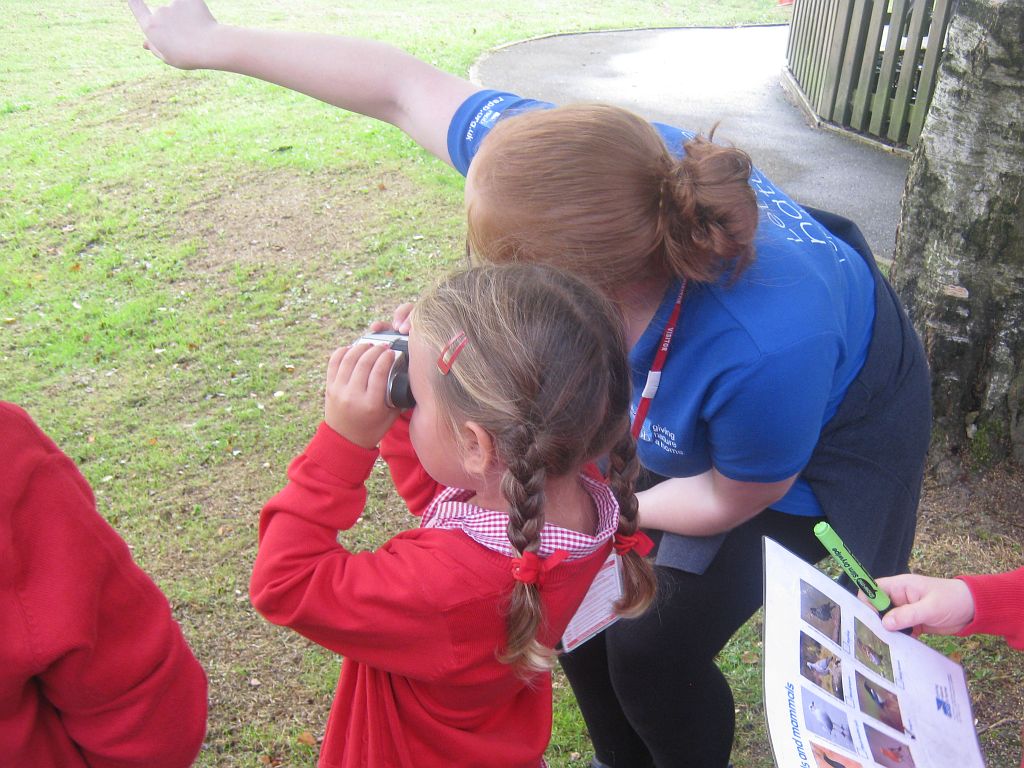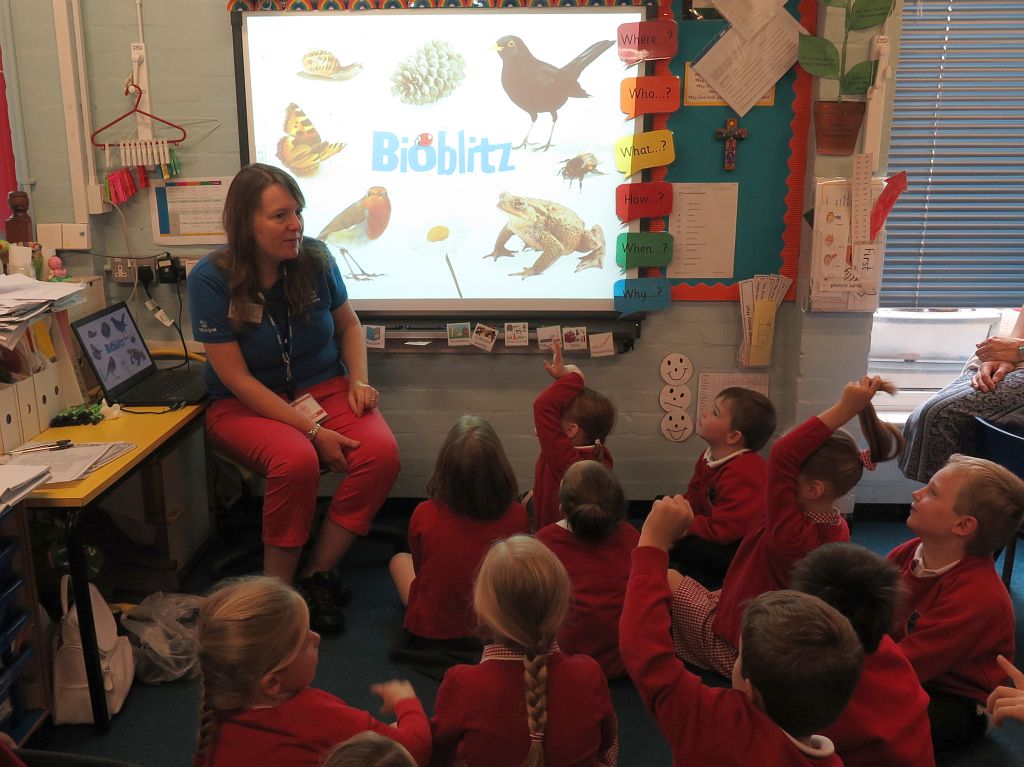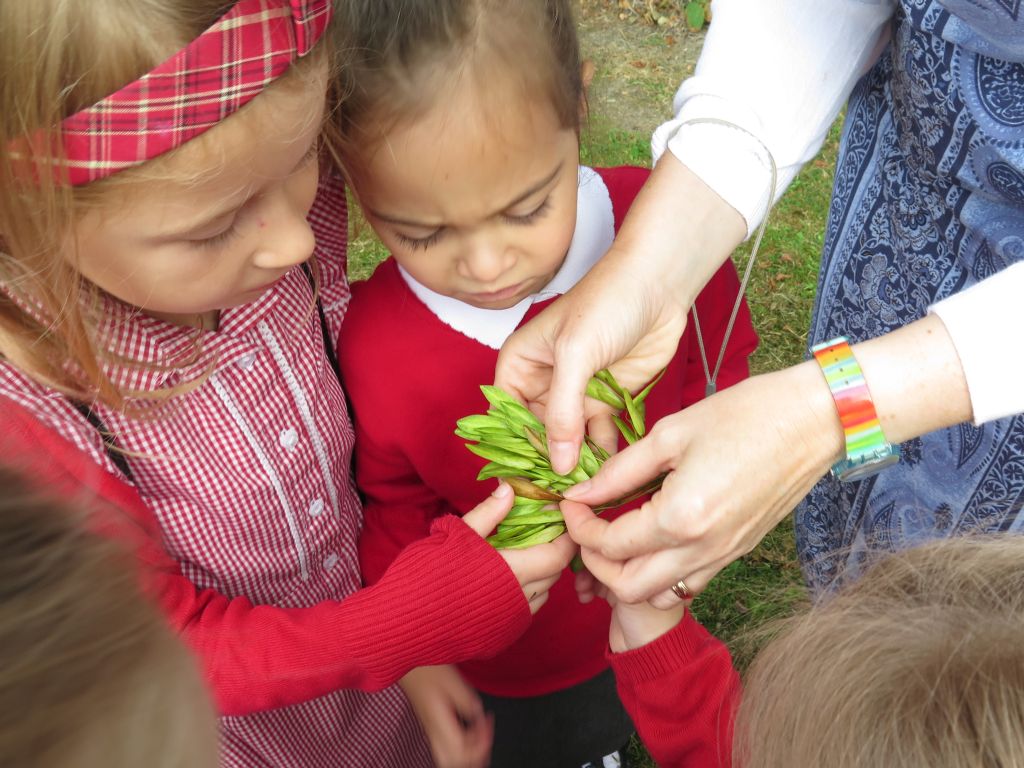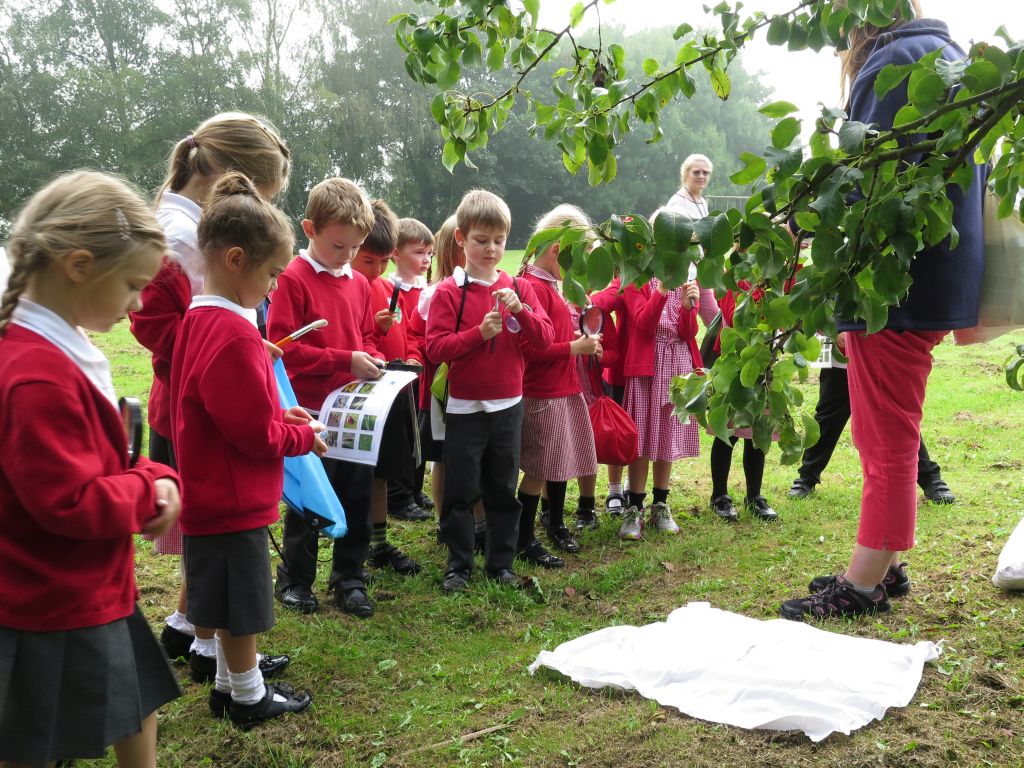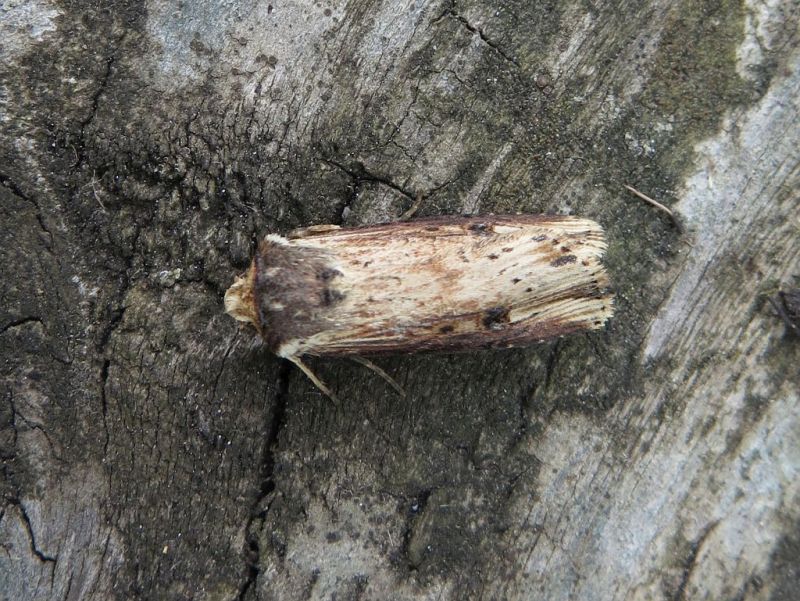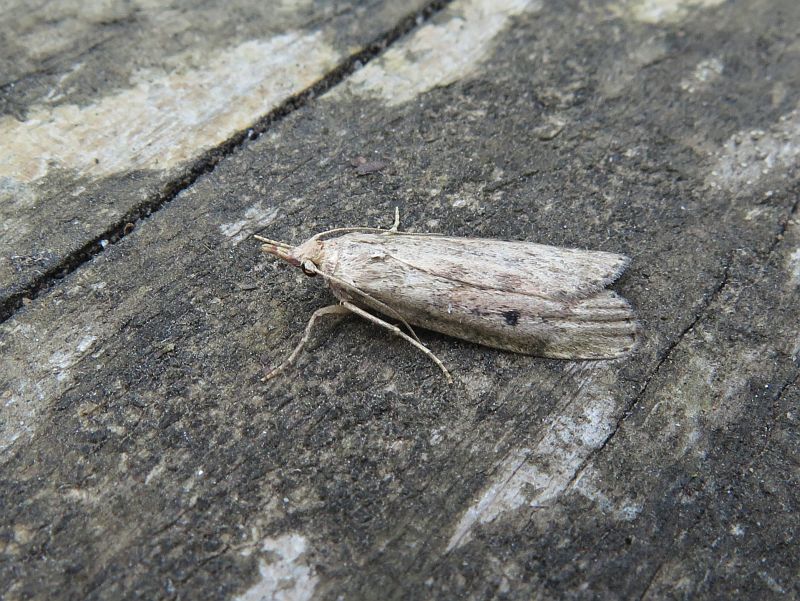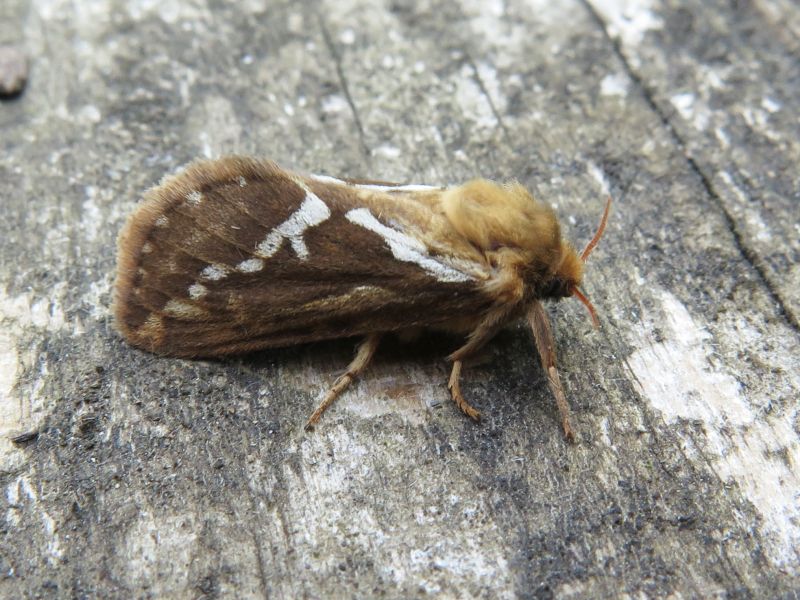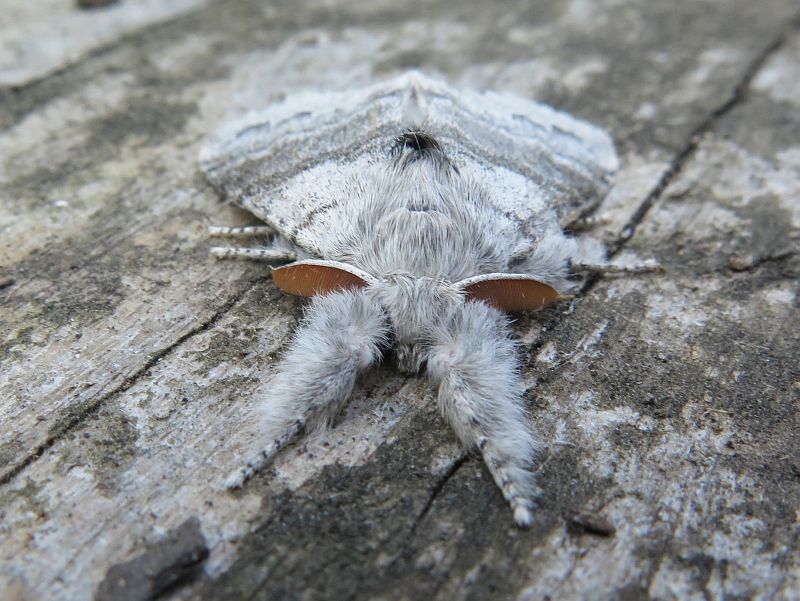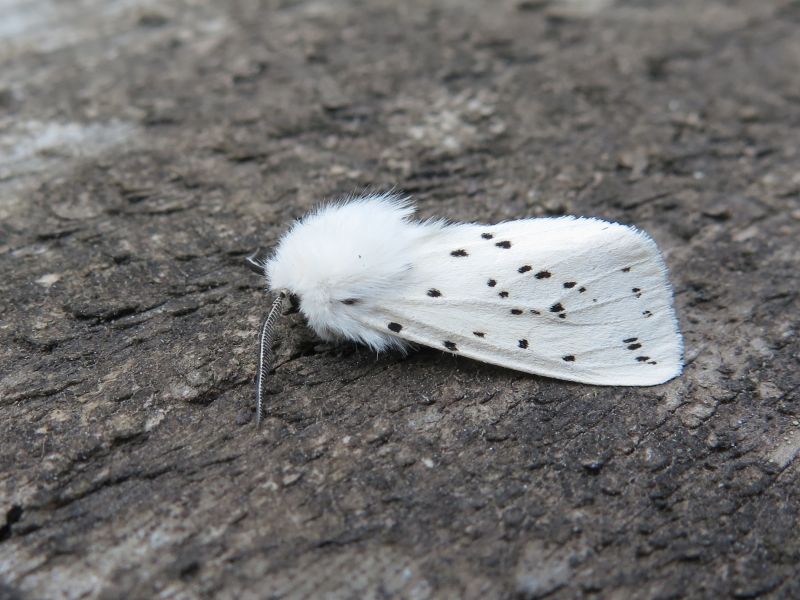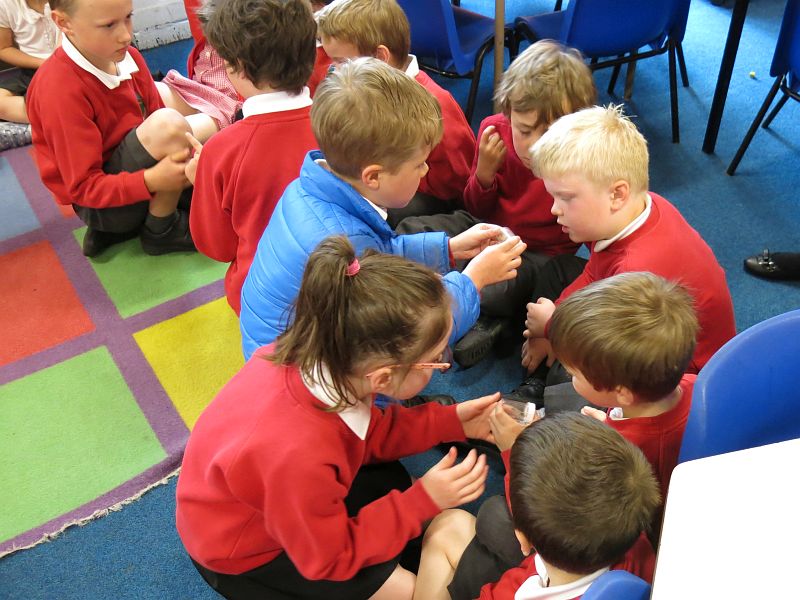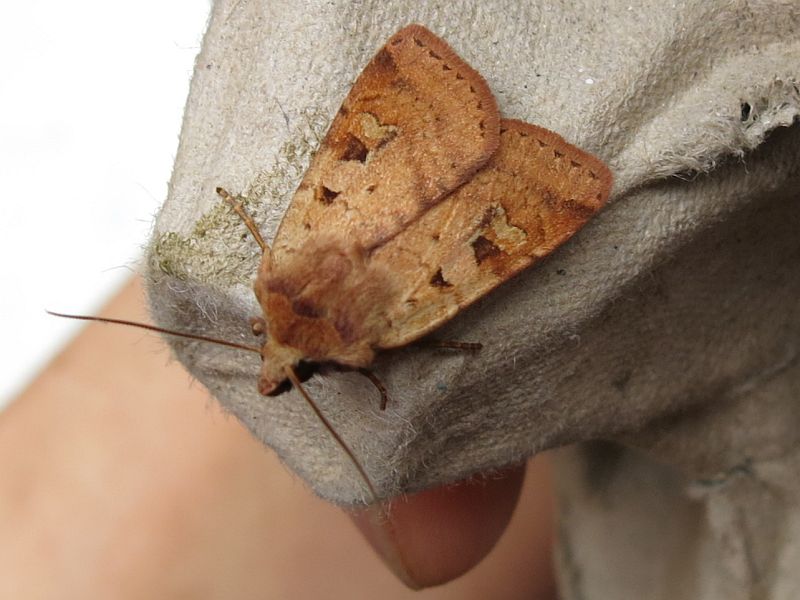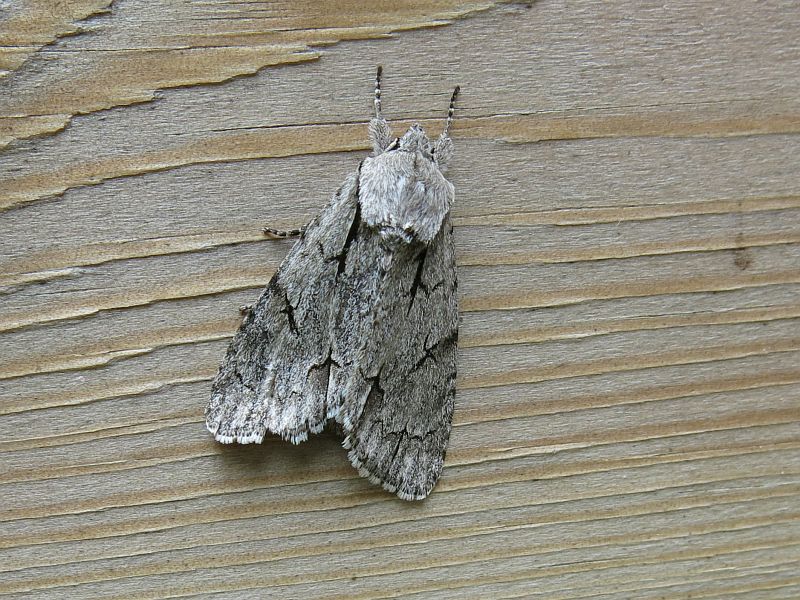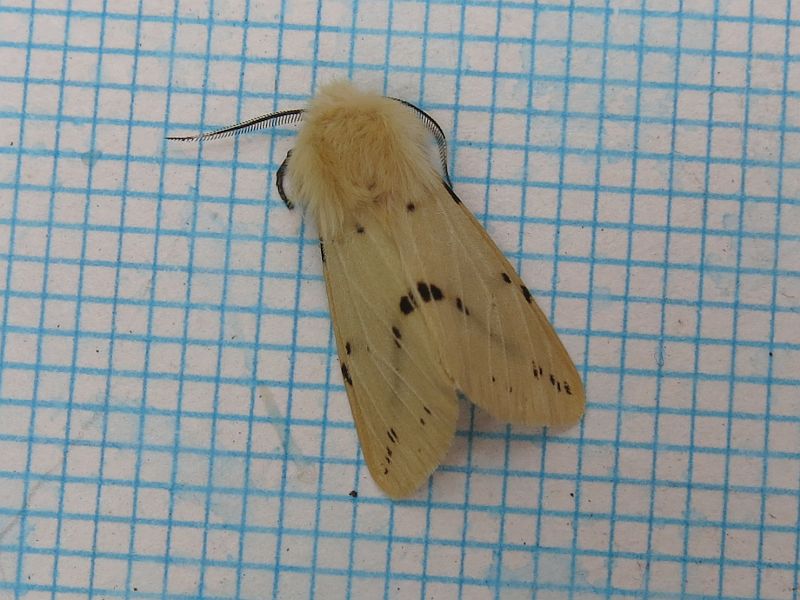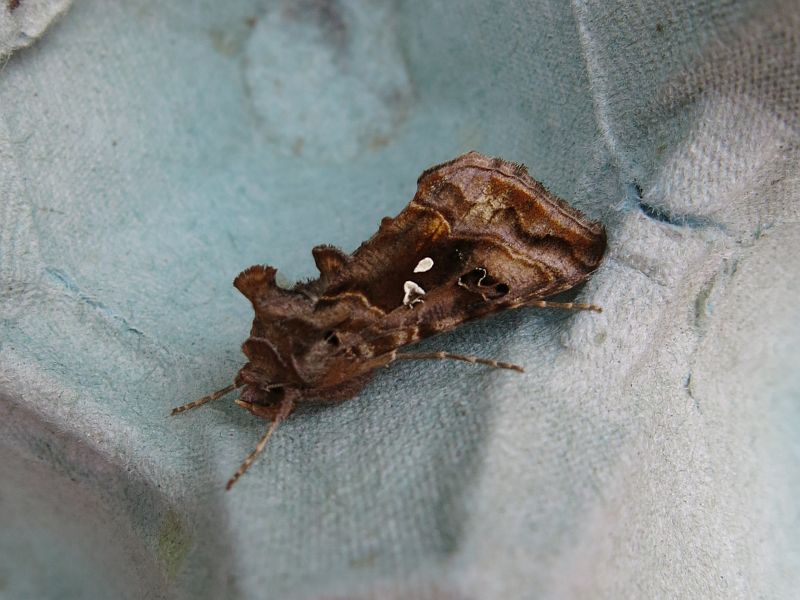
On September 15th, members of the RSPB visited to work with the children to investigate the wide variety of flora and fauna in the school grounds. Each class worked on a range of activities including bird watching, mini beast hunting and the identification of trees. Older children have since uploaded some of the wildlife photos taken to our ispot account as record of what we saw or for identification purposes. Year 6 children also emptied and recorded moths which were caught in the moth trap set up the night before.
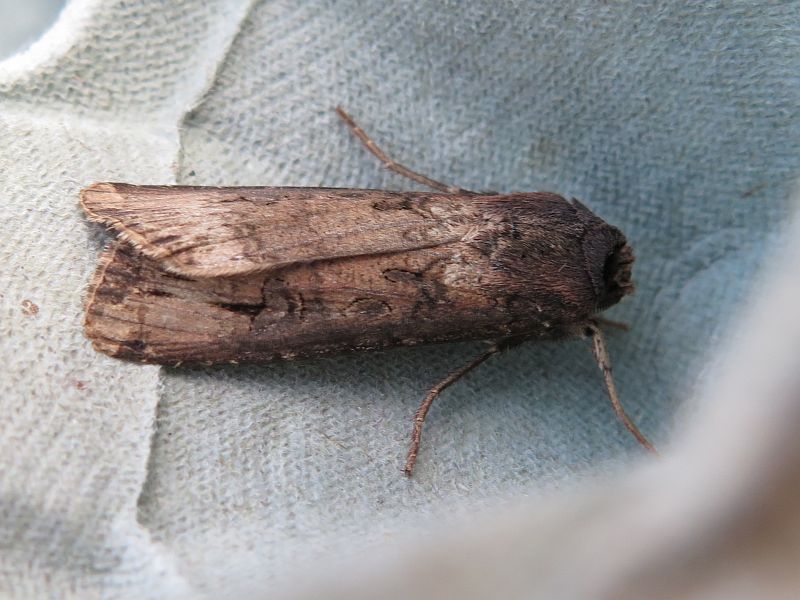
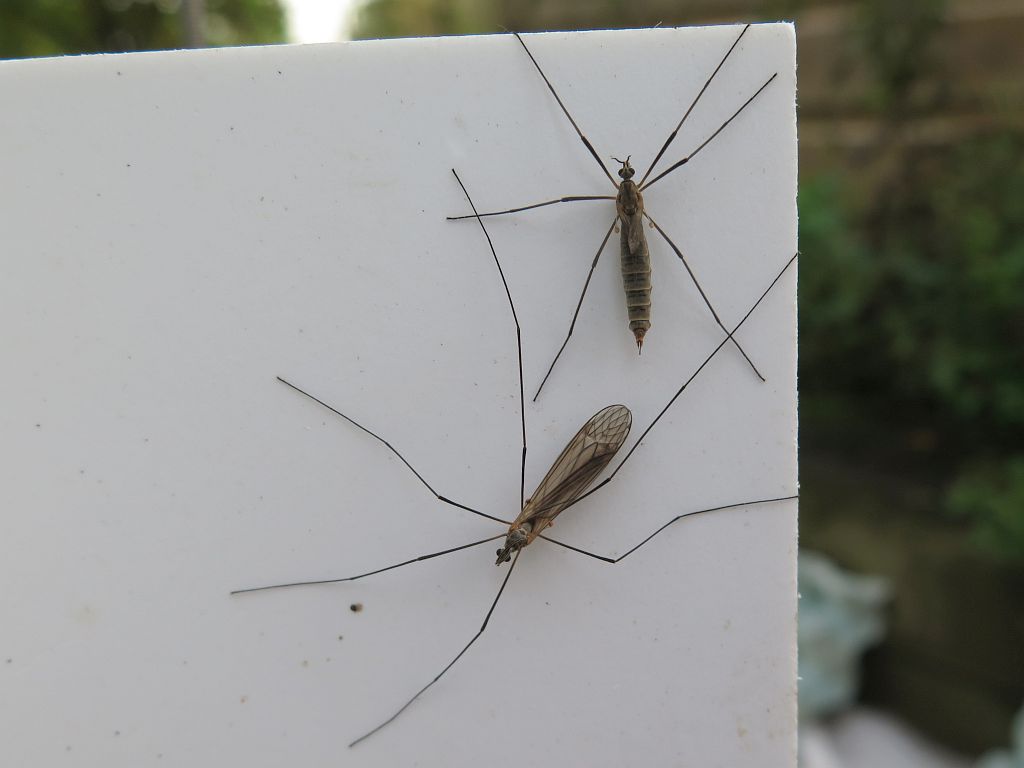
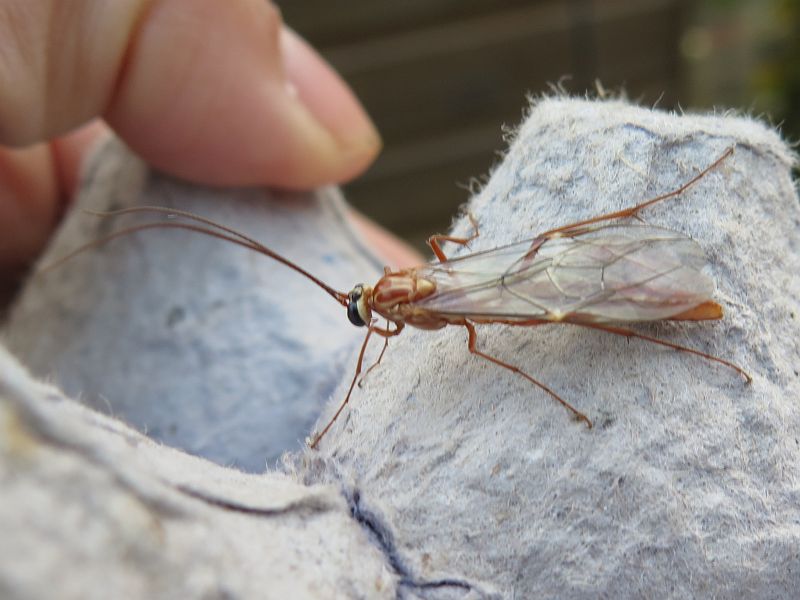
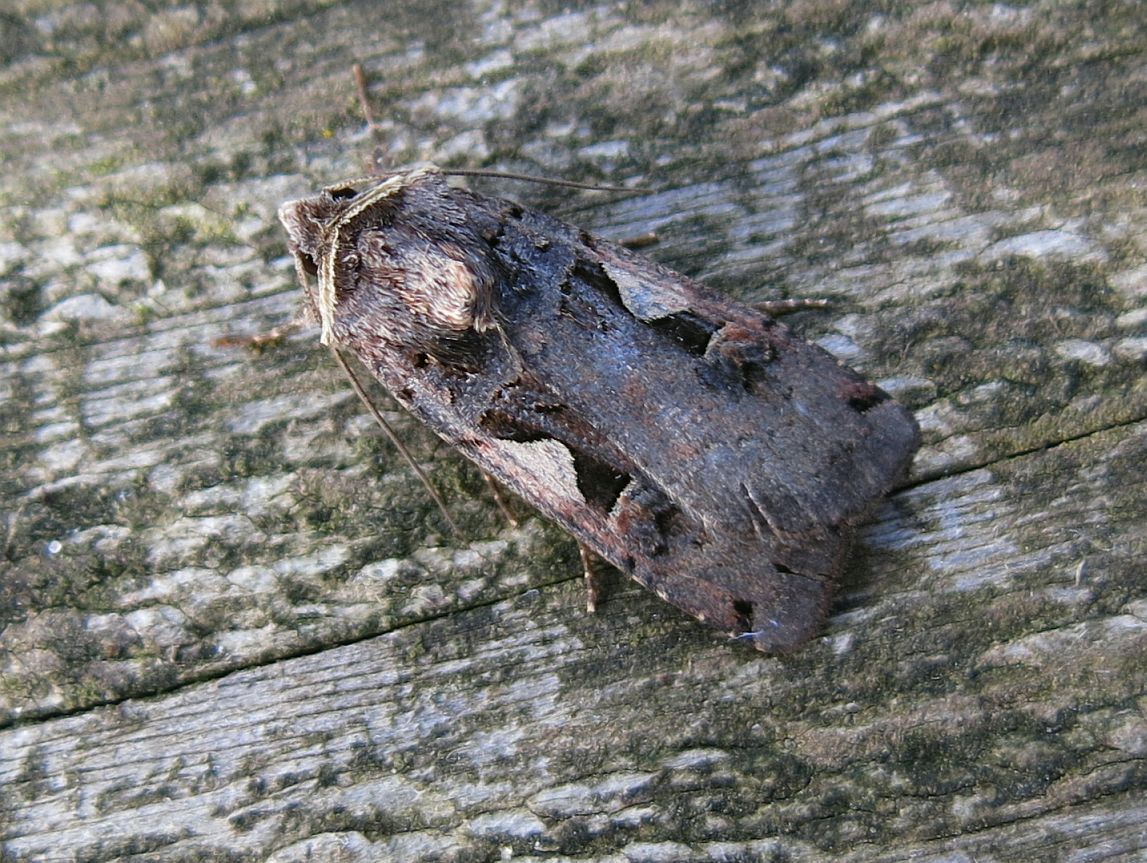
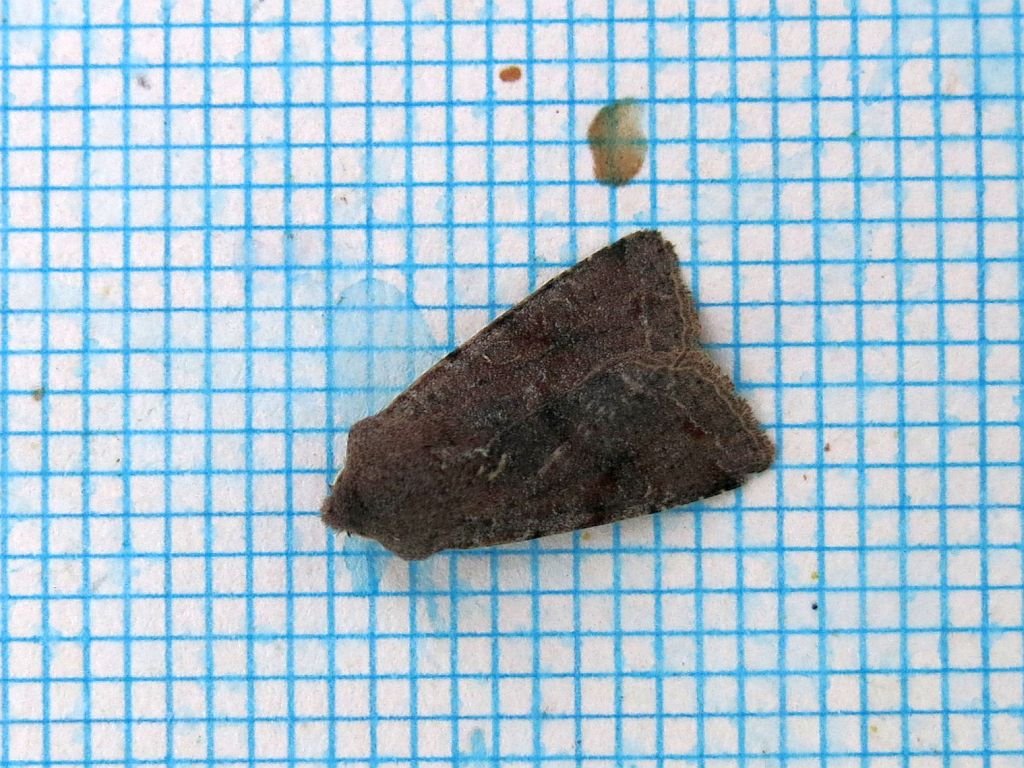
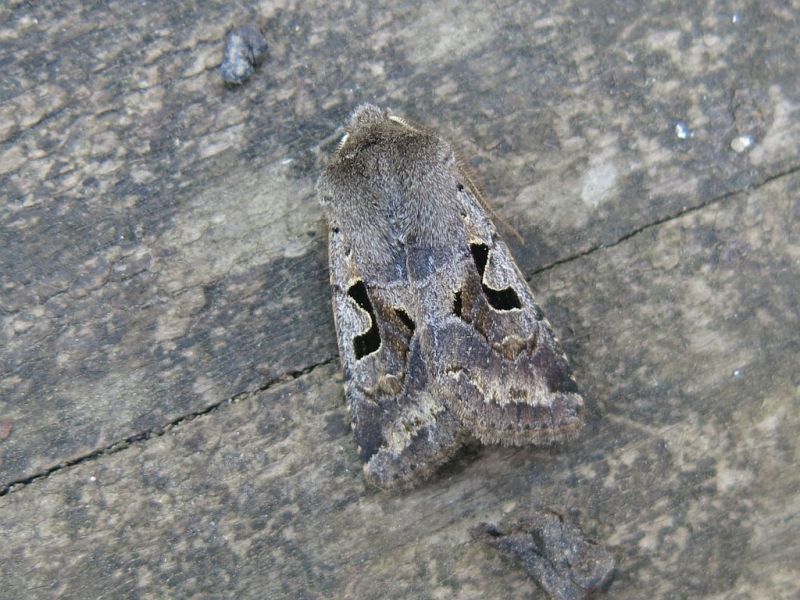
The moth trap was set up on the evening of October 19th. A fairly chilly night followed, with a moon just past full, so only one moth was found in the trap in the morning. However, the Dark Sword-grass moth was a new species for the garden. In addition, there were several crane flies and a large red ichneumon wasp.
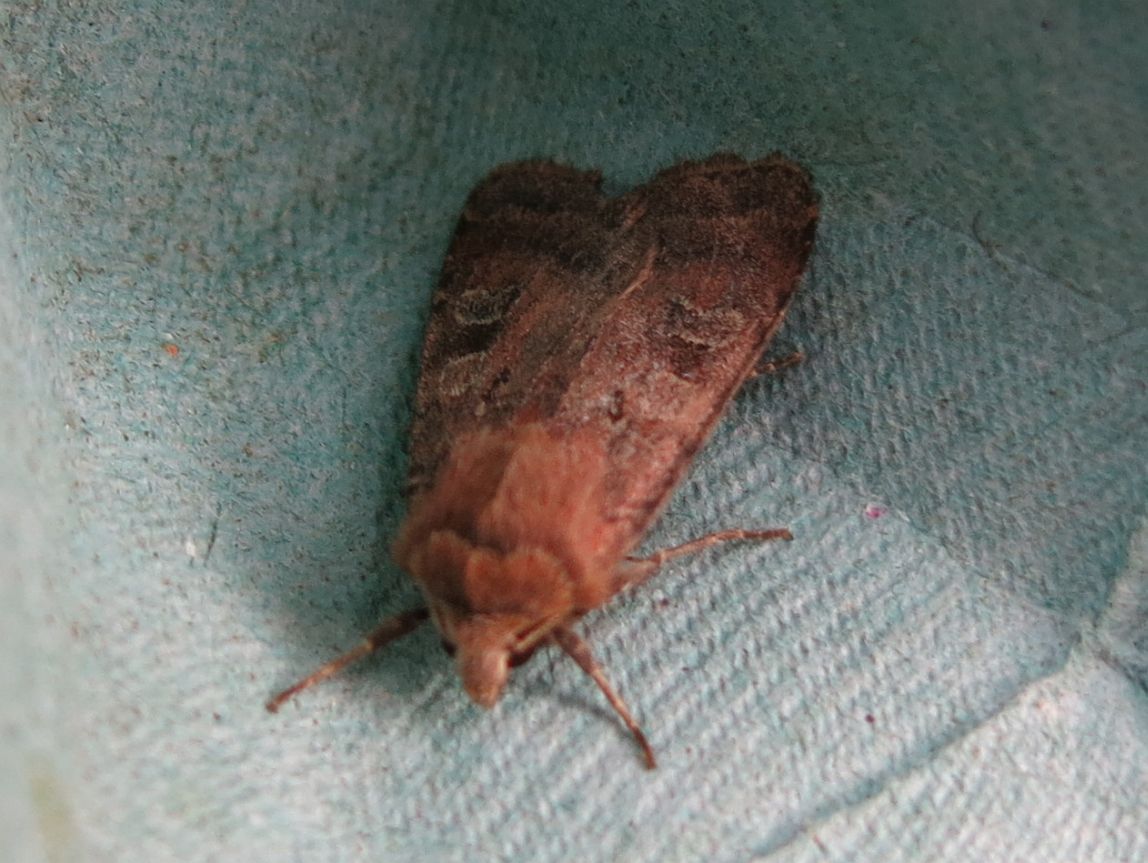
- Dark Sword-grass moth
- Crane flies
- Ichneumon wasp
This year’s annual celebration of moth recording in the UK, Moth Night, took place over three nights (9th-11th June). We put a moth trap out in the school’s Learning Garden for the Thursday night (9th June) and Year 3 children emptied the trap the following morning. The evening and night had been quite warm (minimum temperature 15ºC) so we were rewarded with a good catch; forty-five moths were trapped and twenty-one different species identified. The children entered the results on the Moth Night web site (http://www.mothnight.info).
Small Clouded Brindle 1, Pale Tussock 3, Diamond-back Moth 10, Brown Silver-line 1, Small Phoenix 1, Silver-ground Carpet 1, Silver Y 1, Grass Rivulet 1, Small Square-spot 1, Flame 1, Common Carpet 2, White Ermine 2, Ingrailed Clay 2, Water Carpet 1, Middle-barred Minor 3, Beautiful Golden Y 1, Bee Moth 3, Common Pug 1, Green Carpet 3, Common Swift 5 and Meadow Grey 1. We also caught 2 big Black Sexton Beetles.
- The Flame
- Beautiful Golden Y
- Brown Silver-line
I set up a moth trap, by the hide in our Learning Garden, on the evening of 5th June and a couple of children helped me record the moths trapped during Monday break-time. Normally we would empty the trap much earlier so any moths that had settled outside the trap will have flown off. We found 8 different species of moth:
- Bee Moth
- Common Swift
- Flame Carpet
- Pale Tussock
- Silver-ground Carpet
- Water Carpet
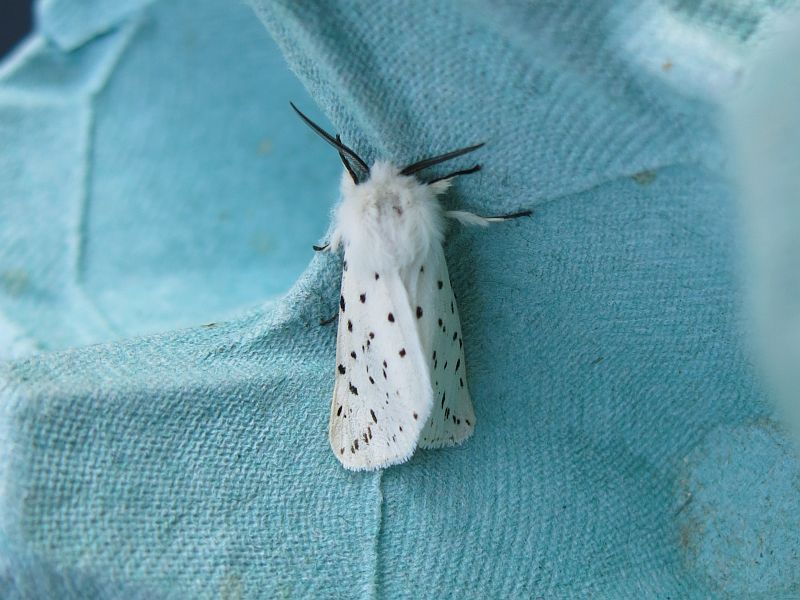
- White Ermine
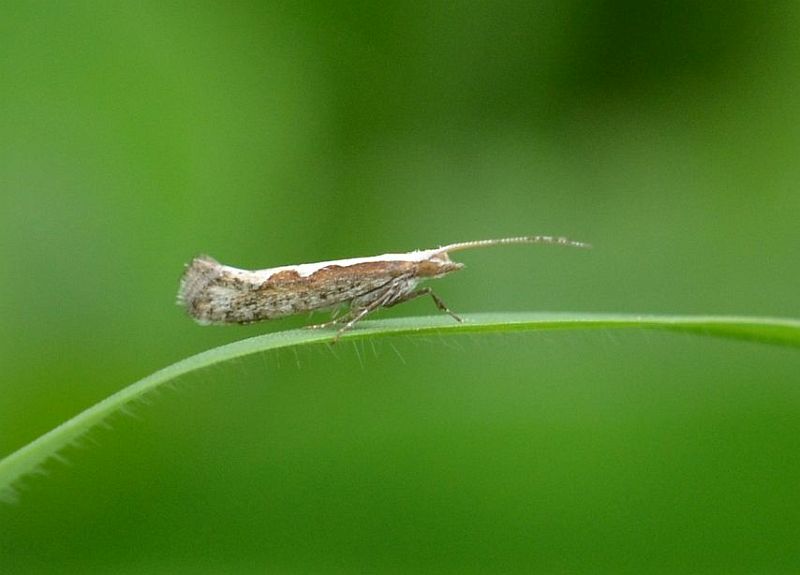
- Diamond-back Moth
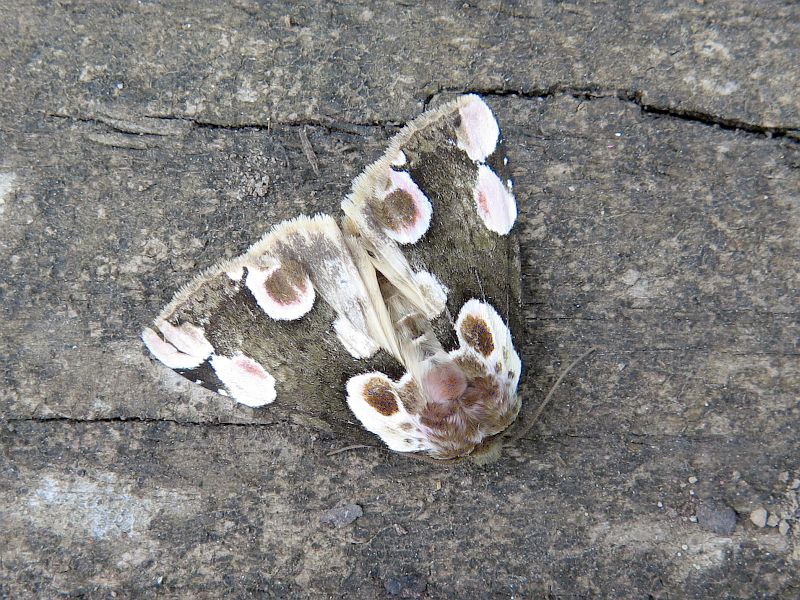
- Peach Blossom (from Pleasley Pit)
2 Bee Moths, 1 Pale Tussock, 1 Water Carpet, 1 Common Swift, 1 Silver-ground Carpet, 2 White Ermine, 1 Flame Carpet, 1 Diamond-back Moth. In addition, I also showed the children a moth I had caught the previous night at Pleasley Pit, a Peach Blossom.
Although we didn’t have any nesting birds in either of our two bird boxes with cameras, at least three other boxes are known to have had Blue Tit chicks in them. Adult birds were seen going into the Car Park box and one of the Silver Birch boxes with food before half term, at the end of May, but both boxes were empty by the time we returned to school on 6th June. Adult Blue Tits were seen taking food to some very noisy chicks in the box by the backdoor on Sunday evening, 5th June. By Monday morning, only one chick could be heard calling from the box and this too had fledged by breaktime.
The school bird boxes were cleaned out at the beginning of the year, thank you Mr Marriot! It was a disappointing year last year with no birds nesting in our birdcam boxes for the first time in 7 years. However, full nests were found in the Car Park box (Blue tits) and all three compartments of one of the sparrow terraces. Some of the boxes had evidence of roosting birds.
The camera in the colour birdcam box has been left on for the Easter holidays so leave comments if you spot any visitors.
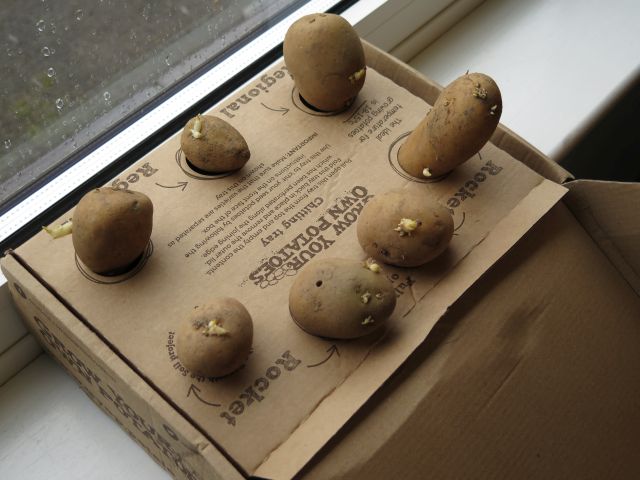
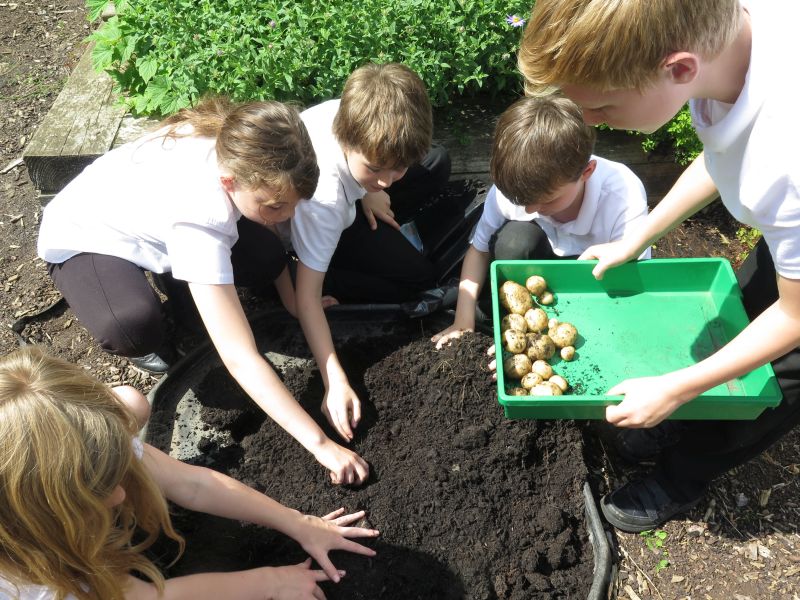
Last week we received our free growing kit for “Potatoes 4 Schools”. Over the next few months we will be chitting, planting, growing and, hopefully, harvesting our potatoes.
- Stage 1: Chitting – 4th March
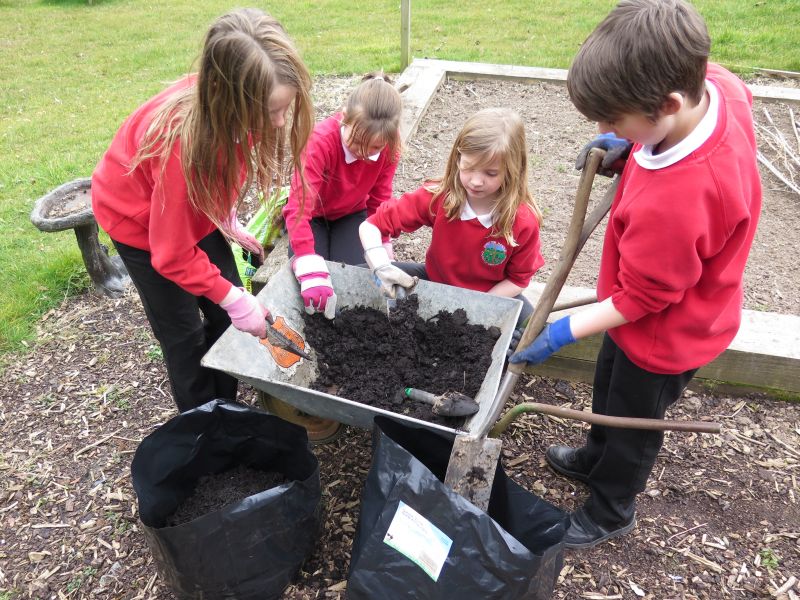
- Stage 2: Planting into sacks 23rd March
- Stage 3: Growing! – June 13th
- Ready for harvest
- Harvesting
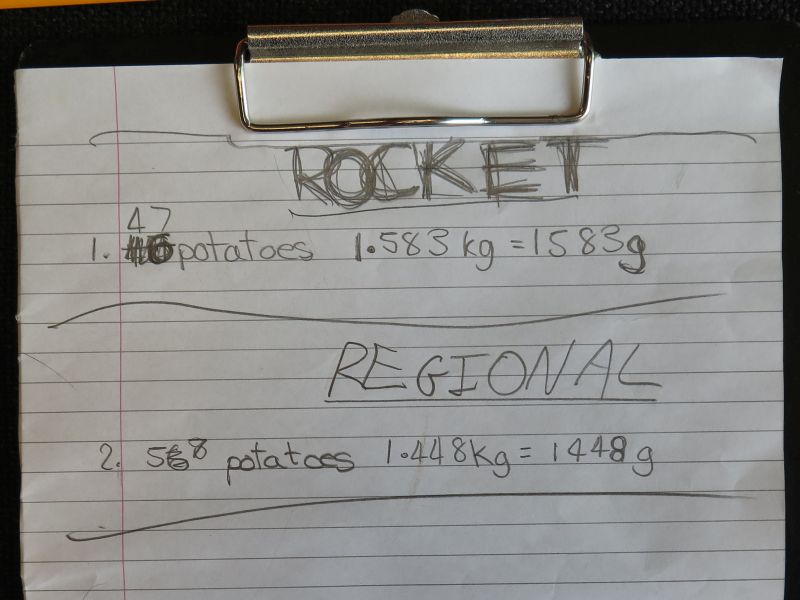
- Weighing
- Record of harvest
We started with eight seed potatoes and harvested 105!
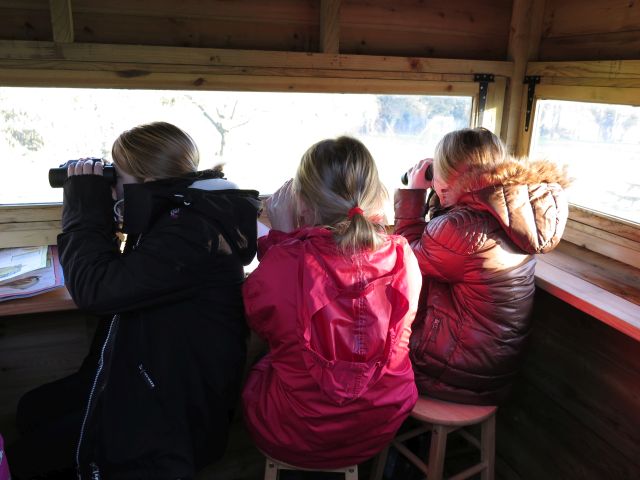
This year’s RSPB Big School’s Birdwatch was carried during January and February. We have taken part in this national survey for the last eight years. Each class completed one survey with all children having the opportunity to take part. The surveys lasted one hour during which time we counted the maximum number of each species seen together (i.e. not individual visits).
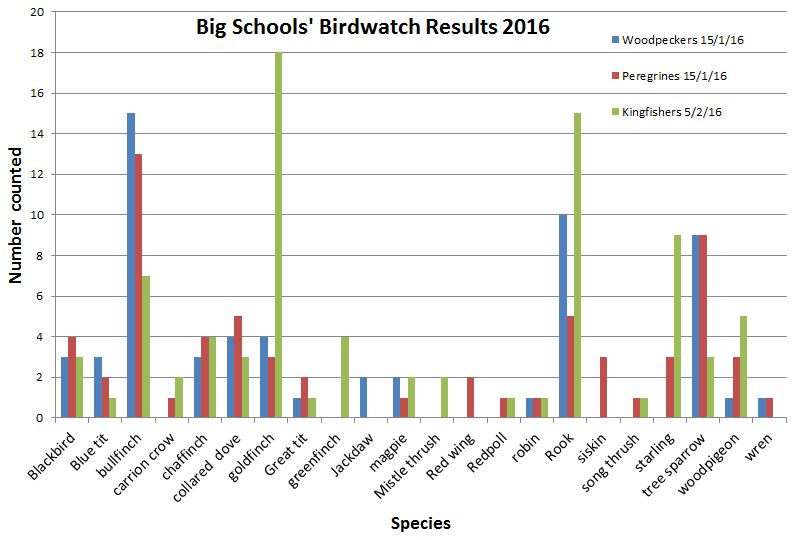
This year we counted 205 birds over 3 surveys and recorded 22 different species.
Thank you Peregrine Class for inputting all the data into Excel and presenting them in a chart!
| Species | Class 1 – 15th Jan | Class 2 – 15th Jan | Class 3 – 5th Feb |
| Blackbird | 3 | 4 | 3 |
| Blue tit | 3 | 2 | 1 |
| Bullfinch | 15 | 13 | 7 |
| Chaffinch | 3 | 4 | 4 |
| Collarded Dove | 4 | 3 | 3 |
| Goldfinch | 4 | 3 | 18 |
| Great tit | 1 | 2 | 1 |
| Greenfinch | 0 | 0 | 4 |
| Jackdaw | 2 | 0 | 0 |
| Magpie | 2 | 1 | 2 |
| Mistle thrush | 0 | 0 | 2 |
| Redpoll | 0 | 2 | 0 |
| Redwing | 0 | 1 | 1 |
| Robin | 1 | 1 | 1 |
| Rook | 10 | 5 | 15 |
| Siskin | 3 | 0 | 0 |
| Song Thrush | 0 | 1 | 1 |
| Starling | 0 | 3 | 9 |
| Tree Sparrow | 9 | 9 | 3 |
| Woodpigeon | 1 | 3 | 5 |
| Wren | 1 | 1 | 0 |
| Total Birds | 62 | 58 | 80 |
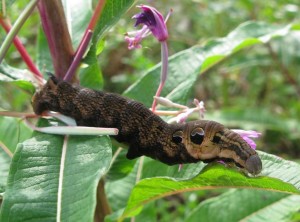
What could this strange creature be? Read LG’s book to find out more!
Click on the book to turn the pages or let them turn themselves!
This year’s annual celebration of moth recording in the UK, Moth Night, took place over three nights 10th-12th September. We put out a moth trap in the school’s Learning Garden for the Thursday night (10th September). Year 4 children emptied the trap the following morning, recording the moths caught and taking photographs. They submitted their results on the Moth Night website (http://www.mothnight.info). Twenty-four moths of seven different species were recorded. The most numerous species was the Large Yellow Underwing.
- Lesser Yellow Underwing
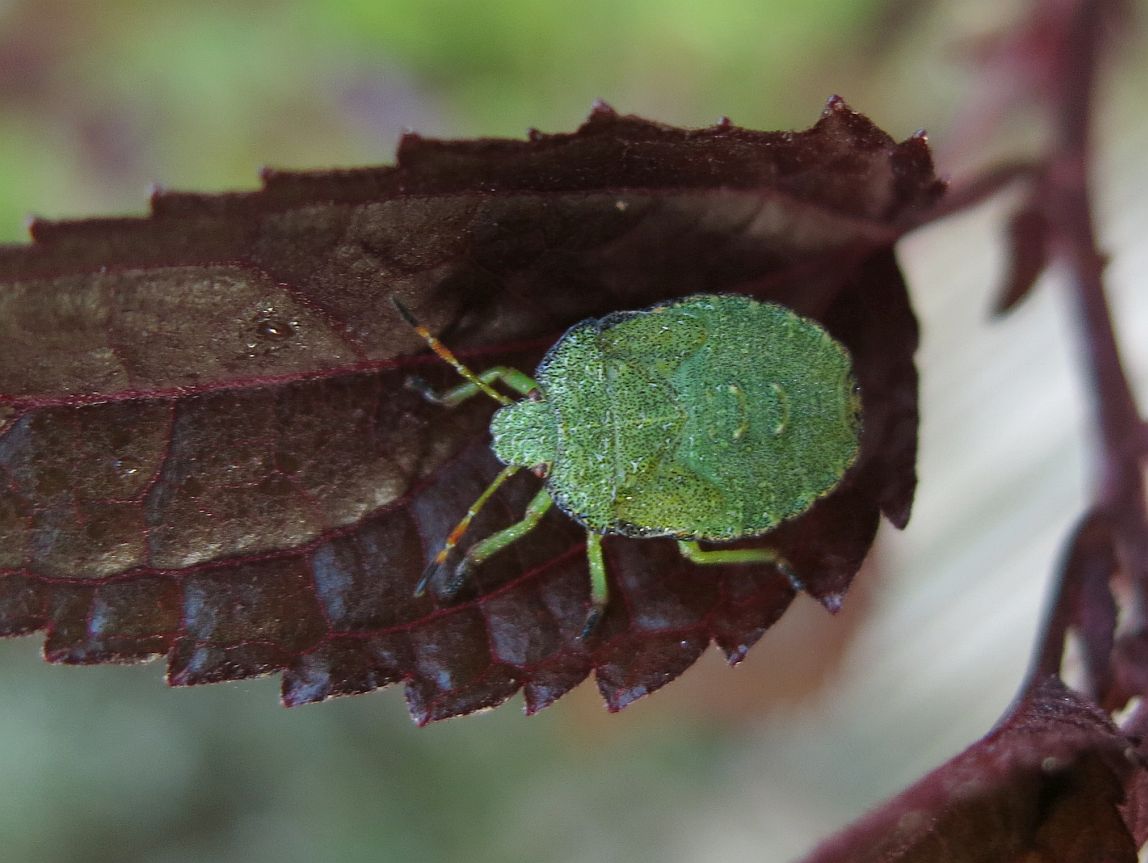
- Green Shield Bug
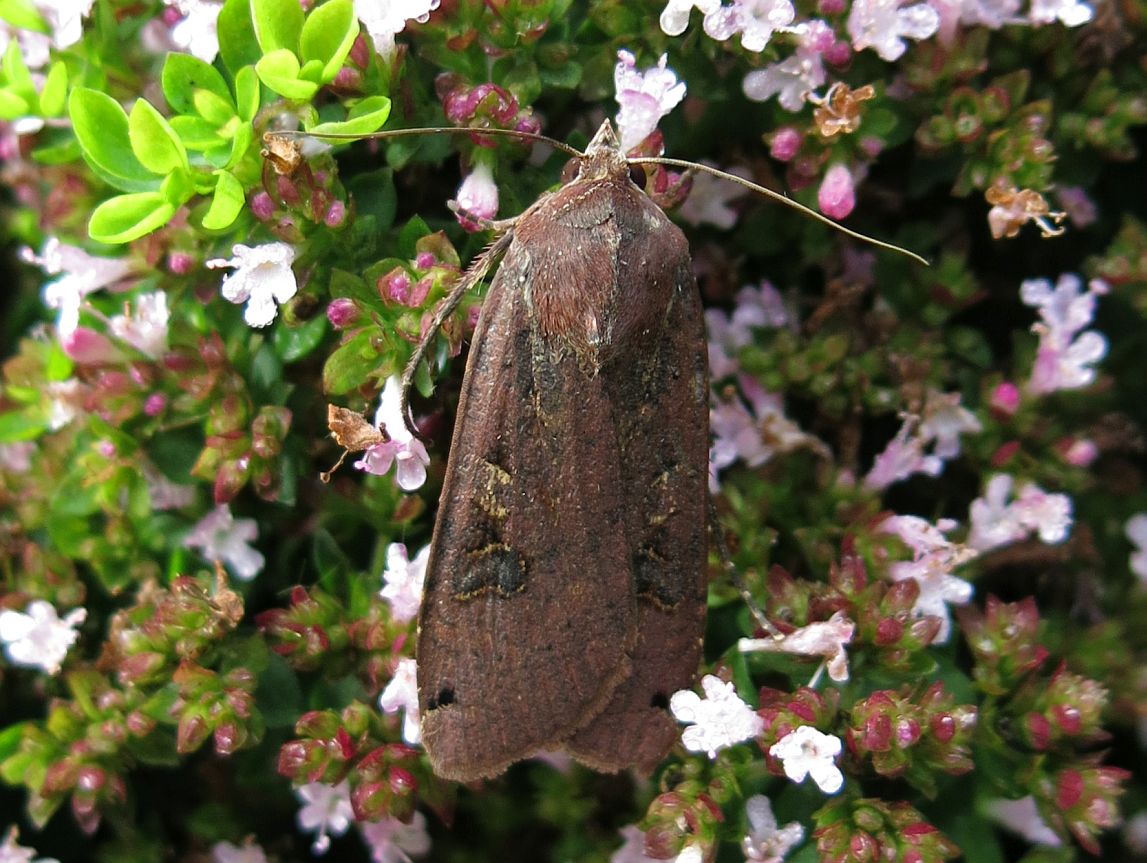
- Large Yellow Underwing
- Green Carpet
- Lunar Underwing
- Small Square-spot
- Sebaceous Hebrew Character
15 Large Yellow Underwing, 2 Lesser Yellow Underwing, 2 Green Carpet Moth, 2 Setaceous Hebrew Character, 1 Small Square-spot, 1 Blastobasis adustella, 1 Lunar Underwing.
The moth trap was set up by the bird hide on the evenings of 10th and 11th June and emptied the following mornings by Year 2 and Year 3. The children photographed and recorded the moths caught and uploaded photos to our ispot account for help with identifications.
Having caught the moths in small pots, they showed them to the rest of Woodpecker Class.
- Silver-ground Carpet
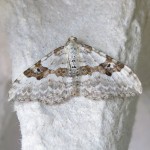
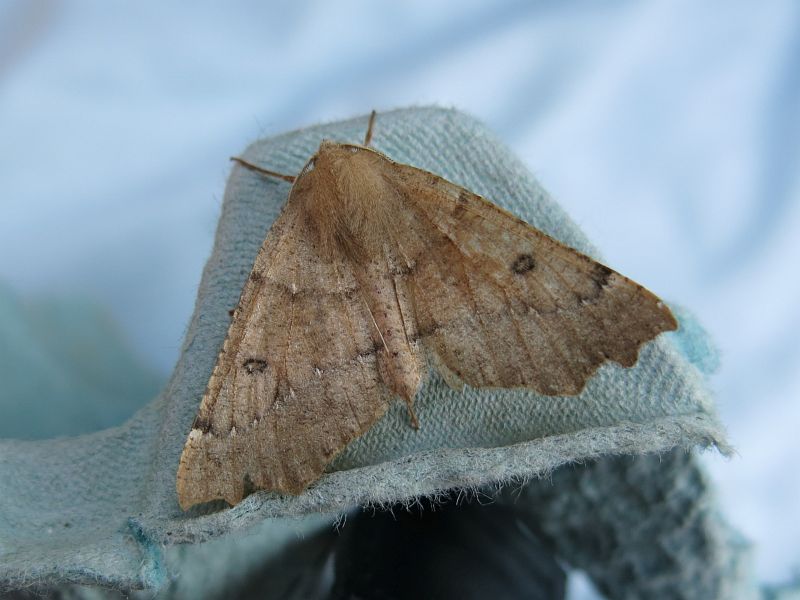
- Scalloped Hazel
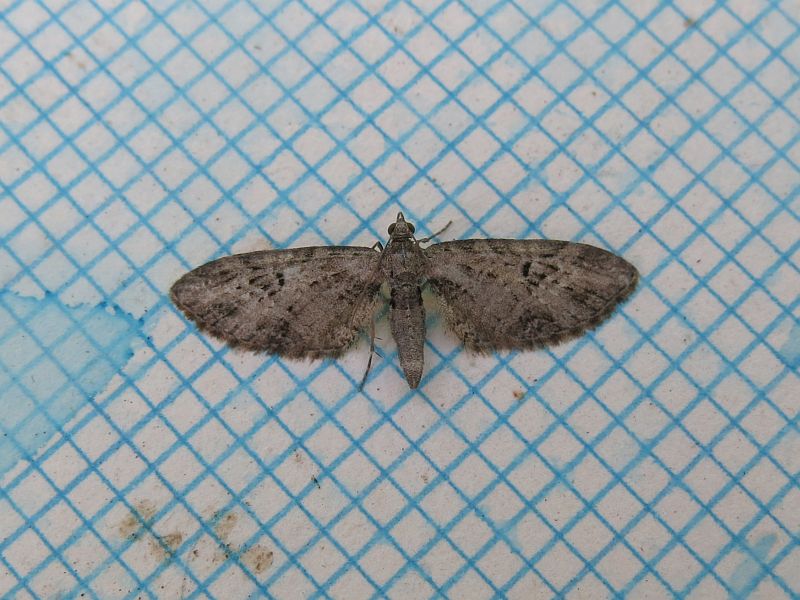
- Mottled Pug
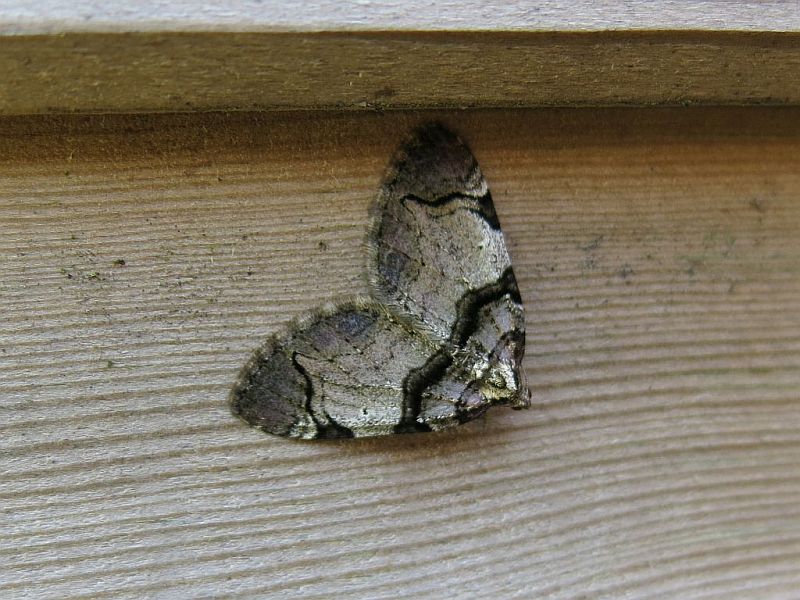
- Ingrailed Clay
- Dark/Grey Dagger
- Buff Ermine
- Beautiful Golden Y
- White Ermine
Trap set 10/06/15: 1 White Ermine, 1 Ingrailed Clay, 1 Scalloped Hazel, 2 Mottled Pug, 1 Silver-ground Carpet, 1 Heart and Dart.
Day flying moth on the herb garden 11/06/15: Small Purple and Gold.
Trap set 11/06/15: 1 Dark/Grey Dagger, 1 Beautiful Golden Y, 2 Ingrailed Clay, 1 White Ermine, 2 Buff Ermine.
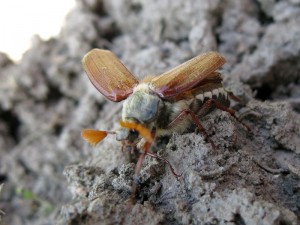
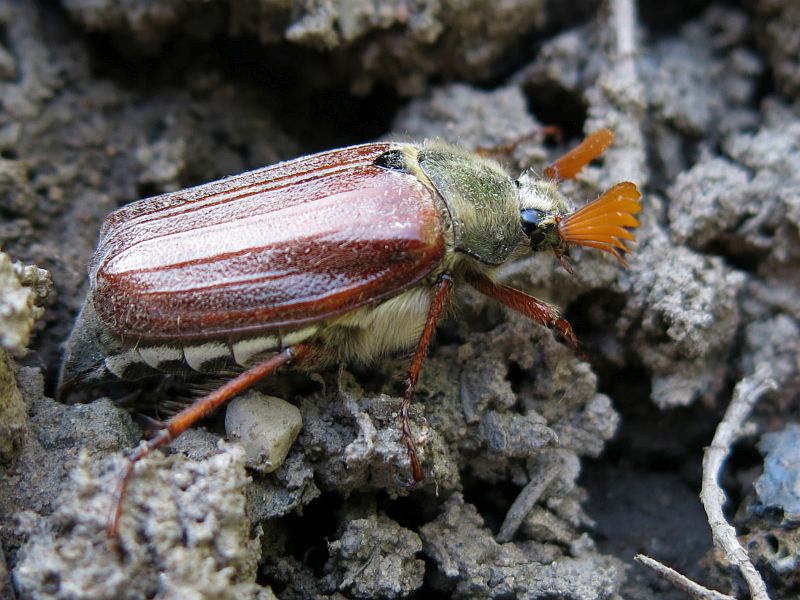
On the first night, the moth trap light also attracted three enormous Common Cockchafers (also known as May bug, Spang beetle or the Billy witch) with large orange fan-like antennae. The male antennae have seven ‘leaves’ while the female has only six. Everyone squealed (except Mrs Mahadevan) when one took flight over a nearby tree! Have a look on the buglife.org.uk website for further information.
- Male Common Cockchafer
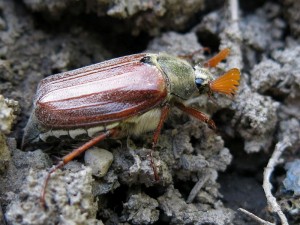
- Ready for take off!
The number of moths on the wing should increase rapidly over the next few weeks so we hope to have the trap out again soon.

The Junior children finished preparing the large square raised bed for planting up and sowing vegetables. Runner beans were sown around the tripod erected in the centre of the plot. If these don’t grow we will use some of the ones we planted in pots last week; we hope to sell these at the end of this term or the beginning of next. Two varieties of carrot were sown, Autumn King and Eskimo.
General Election Day is also the last day to vote for Britain’s national bird. Choose your favourite from a shortlist of 10 birds and cast your vote on the Vote National Bird Website by midnight on 7th May. Ask your parents to help you vote as you will need to enter an email address and tick a box so you don’t receive marketing information.
Find out about each of the birds and see pictures here. You can also hear what each bird sounds like on a BBCs Tweet of the Day podcast
What bird did you vote for? Do you have a favourite bird that isn’t on the short list?
NB Because of media coverage this morning, the voting website is running very slowly, you may have to try later in the day.
The Juniors had a very busy morning in the Learning Garden today. First they emptied and recorded the moths caught in the moth trap set up the night before (23rd April). Then they sowed sunflower seeds; may the contest to grow the tallest sunflower begin! Finally they cleared the rest of the vegetable patch ready for this year’s crops and weeded the bank around the raised beds.
Moth trap results:
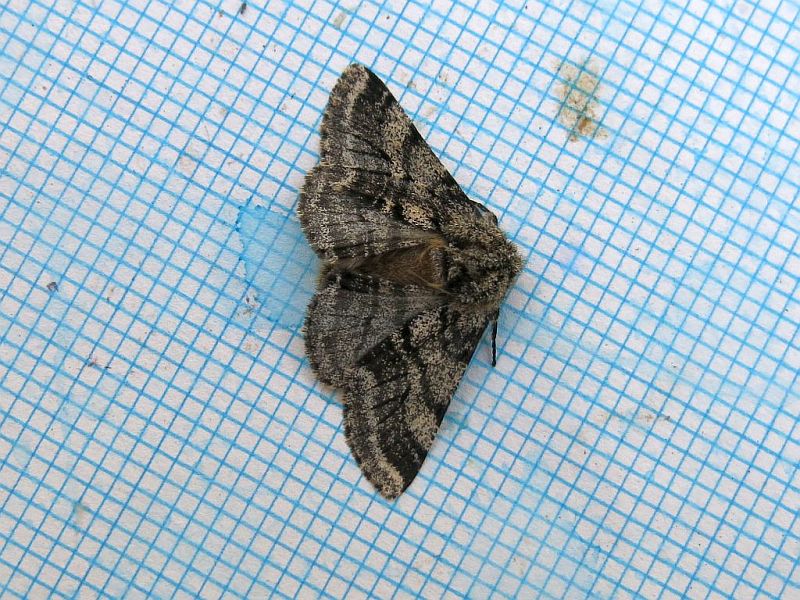
2 Streamer, 3 Clouded Drab, 5 Hebrew Character, 1 Brindled Beauty, 1 Brindled Pug, 1 Oak-tree Pug. Also 1 Black Sexton Beetle.
- The Streamer
- Clouded Drab
- Hebrew Character
- Brindled Beauty
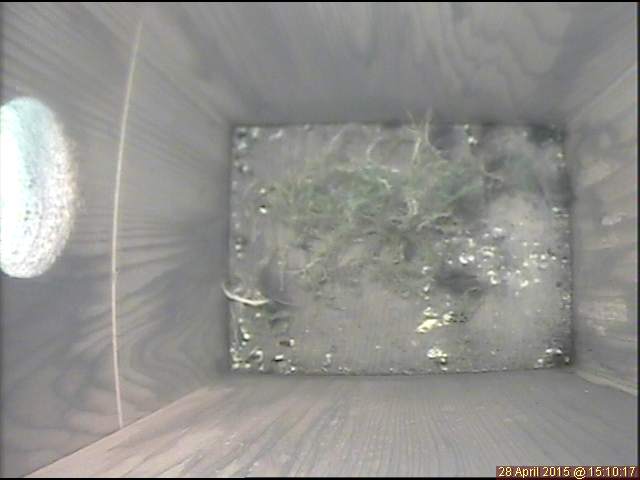
A bit of mossy nesting material has appeared in the Infant Colour Birdcam Box over the last couple of days but it seems to be only a half hearted attempt at nesting.
Elsewhere in the school grounds, the children have spotted signs that the Rook chicks have hatched. Earlier in the week they started to find large empty egg shells near the wooded area where the Rooks have built three nests. Now when the Rooks return to the nests we can hear a lot of noise from the birds as the chicks get feed.